Categories
Adrian Flowers Photography Archive
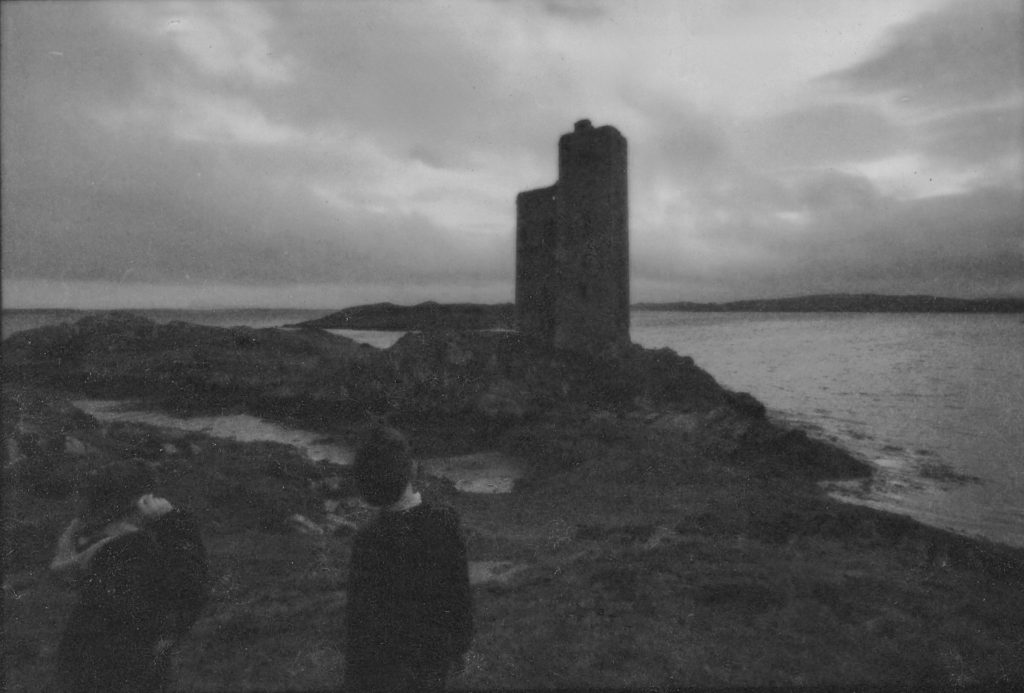
Kilcoe Castle,
photographed by Adrian Flowers 1970

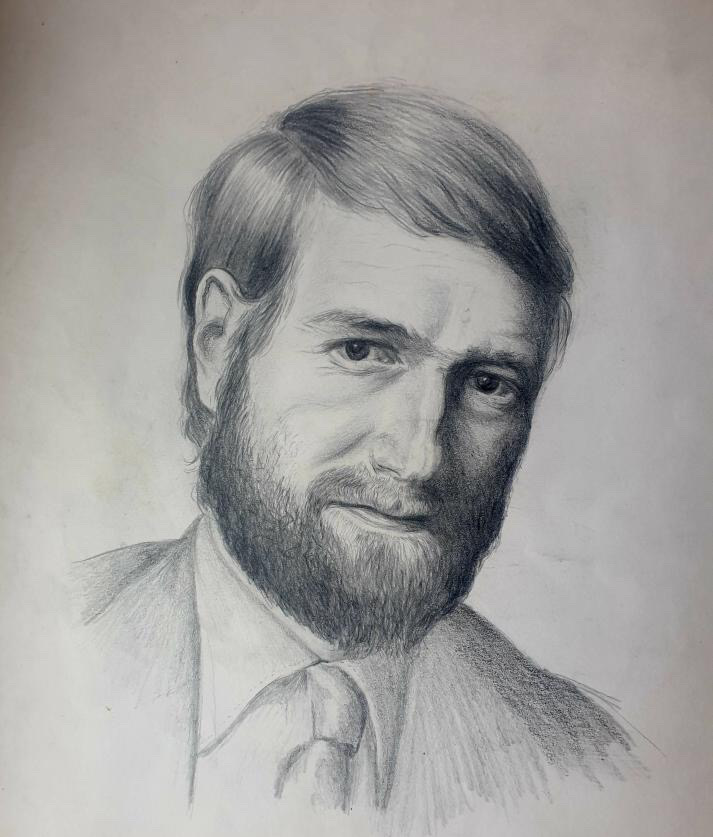
Remembering Mark Wycliffe Samuel, archaeologist and artist,
20 Dec 1957 – 10 Nov 2025

Over a career spanning four decades, Mark Samuel worked on the recording and preservation of many ancient buildings in England and Ireland. A self-taught artist, he attended Dartington Hall School in the mid-1970’s, before studying archaeology at University College London. His first job was as an draughtsman on the Haddenham Project in Cambridge, and he later worked at the Museum of London, before setting up his own company, Architectural Archaeology, where he produced academic reports illustrated with his own historical paintings and dioramas. The author of The Tower Houses of Cork–a book based on his doctoral thesis of 1998–Samuel also wrote an account of Coppinger’s Court in West Cork, for the Journal of the Cork Historical and Archaeological Society. His definitive account of Blarney Castle was published in 2008 by Cork University Press. Samuel’s studies of buildings in England included Winchester Palace, the Augustinian Priory at Merton, Selborne, London’s Guildhall, Blackfriars, and Westminster. In January 2008 he was elected a Fellow of the Society of Antiquaries. At the time of his death he was working on a book on Julius Caesar’s invasions of Britain. Samuel lived in Ramsgate, near to his two sons, Ned and Fineen. His was pre-deceased by his wife Kate Hamlyn, who died in 2017.

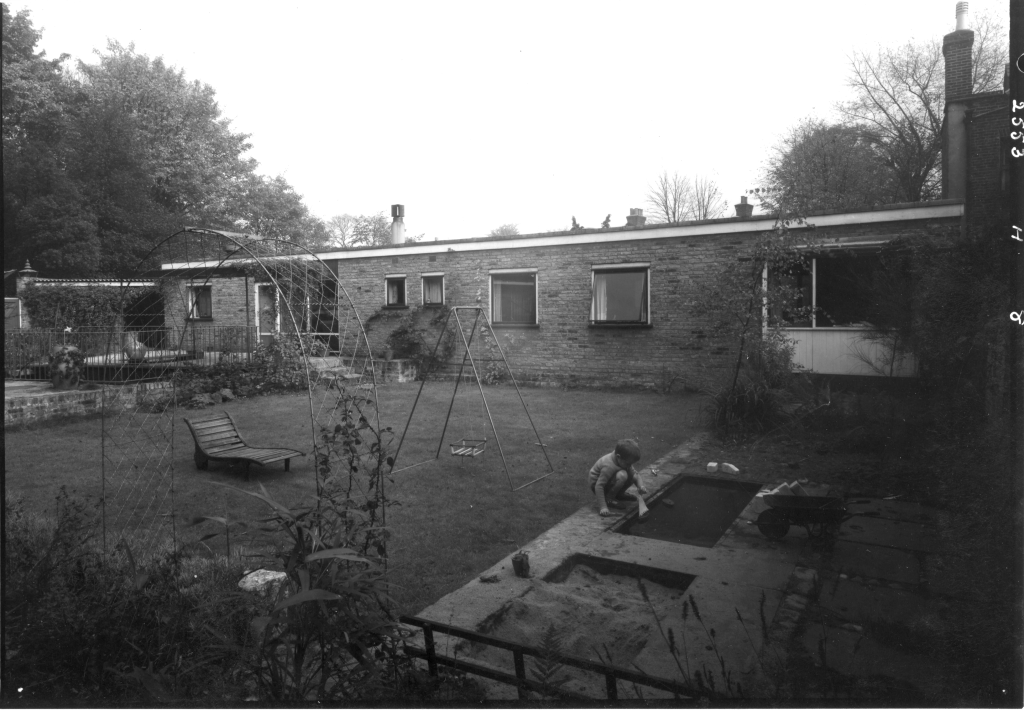
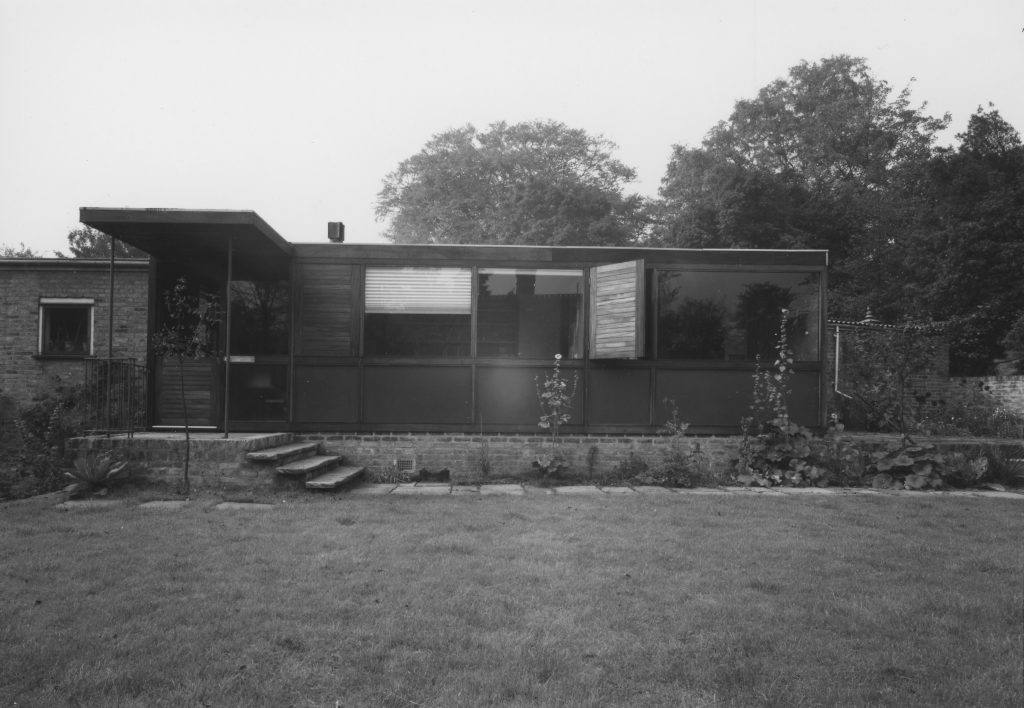
Coming from a family steeped in architecture, Samuel had grown up surrounded by books and paintings. An influential Modernist architect and committed Communist, his father Edward was the grandson of a Polish immigrant, Max Samuel Lubinski. Edward met his wife Stella (née Helps) when both were studying at the Architectural Association, and over the years following the couple worked mainly worked on housing, including designing and developing a Modernist terrace at Southwood Lane in Highgate, as well as houses in West Cork. They had four children, Zachary (who died young), Tom, Mark, and Flora. While Mark pursued a career as illustrator and expert in historic building conservation, his sister Flora also followed in the family tradition, becoming a senior lecturer in architecture at Cardiff University. Both inherited the idealism of their father, as evidenced by Flora’s book Housing for Hope and Well-Being, and by Mark’s lifelong commitment to conservation and restoration. During the second half of the twentieth century, in both London and West Cork, the lives and fortunes of three families, the Samuels, Flowers and Stutchburys, were to become closely intertwined.
Photographs above by Adrian Flowers in 1957: Edward Samuel demolished his own self designed bungalow to replace with a terrace of brick townhouses in Haringey designed by him.

As so often happens, the friendship between the Samuel and Flowers families initially began with their children attending the same primary school in Highgate. In 1954 the Samuels had bought Curlew Cottage in Rosscarbery, West Cork. There was already a family connection with the area; Stella’s parents, Elfie and Edmund Helps, lived at Cregane, a large Tudor-revival house set in the woods above the Warren Strand at Rosscarbery. Born in Hampstead in 1888, Edmond was a descendant of Sir Arthur Helps, a social reformer and friend of Ruskin, who had married into the Blennerhasset family of Co. Kerry. A confidante of Queen Victoria, he would say things like ‘The rich are always advising the poor; but the poor seldom return the compliment.’ Around 1925, Edmund married Lucy Laura Wycliffe-Taylor, or ‘Elfie’, and they had four children, Peter, John, Stella and Ann. While Stella went on to marry Edward Samuel, Ann married Peter Thornton, curator of the John Soane Museum. Ann and Peter had three girls, Emma, Minna and Dora. Elfie’s son John remained living at Cregane. 

In time, the family connections extended to include the Stutchburys, as Elfie’s sister Rosamund married Mervyn Stanley Stutchbury a mining engineer who had retired to West Cork. They had one daughter and four sons; Laura, Dombey, Oliver, Wycliffe and David. Their son Wycliffe, or ‘Winkie’, went on to become an architect, and, like Ed Samuel, specialised in Modernist houses. He had two daughters, ‘Bena’ and Jessica with Natalie, and two step-sons, Oliver and Jamie Nares, from Natalie’s first marriage.

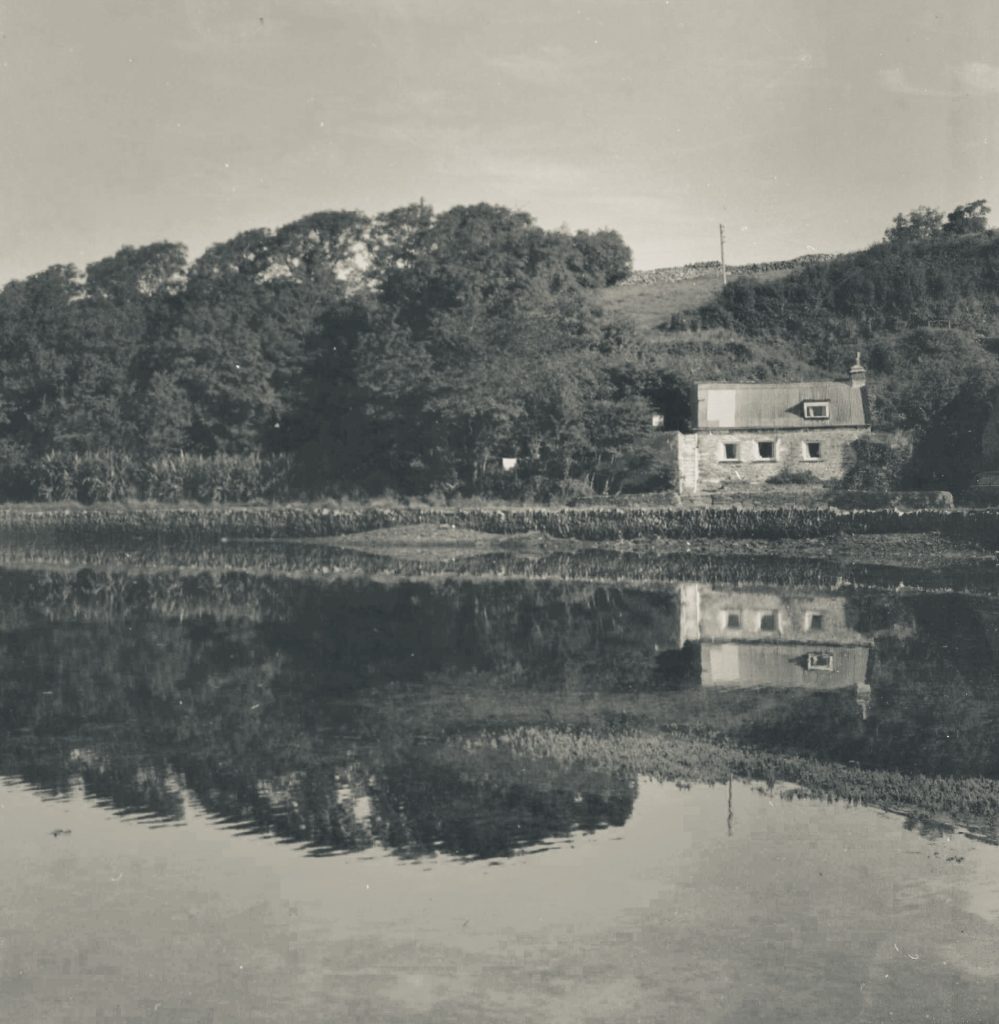
Curlew cottage in Rosscarbery.
Photograph by Adrian Flowers

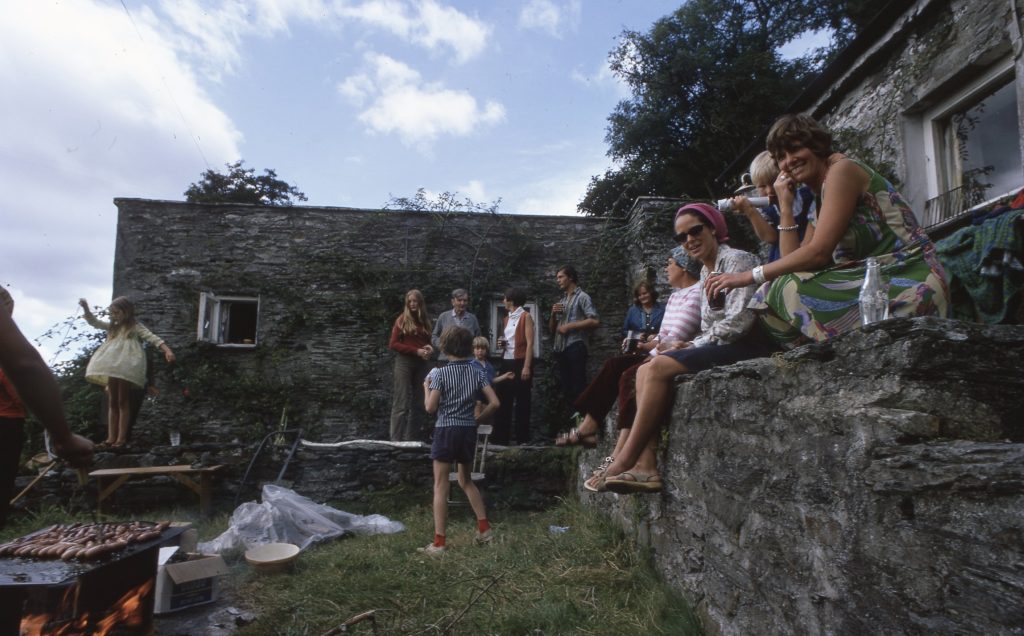
In 1958, Stella and Ed Samuel invited Angela and Adrian to holiday at Curlew Cottage. It was the Flowers’ first encounter with life in West Cork; barbeques in the garden, picnics at the Long Strand, fishing for mackerel, parties at Cregane, and pints in the local pub. Elfie was delighted with the new arrivals, and immediately set about finding a cottage that they could buy. She came up with a gem, Downeen, a two storey cottage overlooking Rosscarbery Bay. Adrian and Angela bought the cottage in 1959. Full of ideas and projects, Stella and Ed never stopped working, their house was a hive of activity, with Ed designing houses in the locality; including one at Warren Strand, for Allen Lane of Penguin Books, a bungalow for Ben and Catherine Prowse, and in 1967, a house at Carrigilihy for Oliver Knox. 

Curlew Cottage in Rosscarbery, where Angela & Adrian Flowers first stayed, with Stella & Edward Samuel. Photograph by Adrian Flowers

In June 1969, Ed Samuel contacted Angela Flowers to say he had been asked to find a tenant for a space alongside his office at Portland Place in Soho. Would she consider opening a gallery there? Angela approached Adrian Heath, Len Deighton and Courtauld, asking if they would support the venture; they agreed, but she had no luck in securing more investors, so the idea stalled. At the funeral of Mary Martin several months later, Angela bumped into Heath. He asked if she was still interested in opening a gallery, and explained that the lease of AIA, of which he was chairman, was due to expire in eighteen months’ time. The AIA offices were in Lisle Street. The Angela Flowers gallery was an instant success, and when the lease at AIA expired, she transferred it to Portland Mews, above the Samuels’ architectural offices, further cementing the connection between the two families. [See post on Angela Flowers for more information: https://adrianflowersarchive.com/angela-flowers/]

During his teens, Mark spent many summers at Rosscarbery, where his interest in ancient buildings was encouraged both by his parents and by local scholars such as Fr. James Coombes of Skibbereen. One of Ed’s unrealised projects in West Cork was the restoration of Kilcoe Castle, overlooking Roaringwater Bay, a tower house he purchased from a local farmer. Mark Samuel did detailed drawings of Kilcoe Castle. Lucy Freeman, a friend of the family, remembers having to hold the tape measure as he measured each individual stone. Having later inherited Kilcoe Castle from his father, and realising that its restoration was beyond his means, Samuel sold it on to Jeremy Irons, who, closing the circle, employed Bena Stutchbury, daughter of Winkie, to oversee the magnificent restoration of this historic building.

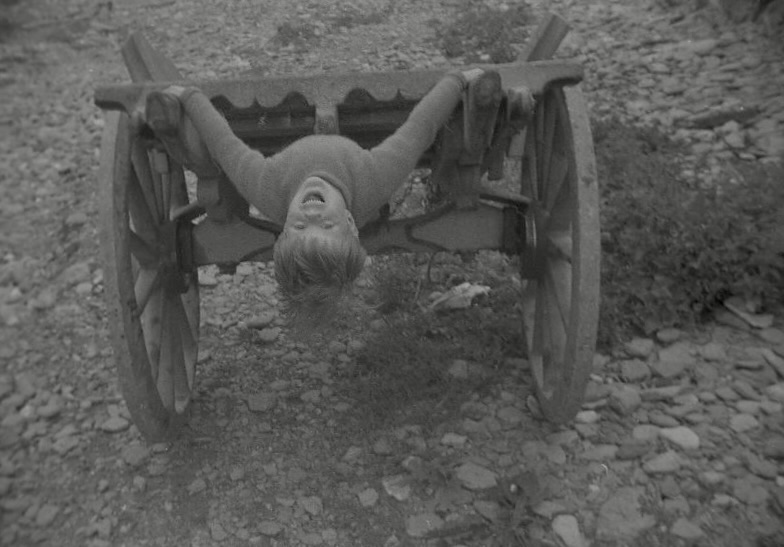
Mark Samuel in 1962. Photograph by Adrian Flowers

Text: Peter Murray

Editor: Francesca Flowers

All images subject to copyright.

Adrian Flowers Archive ©

Further information on Mark Samuel:

https://www.directoryofillustration.com/artist.aspx?AID=16558

Categories
Adrian Flowers Photography Archive

Intrinsic Values

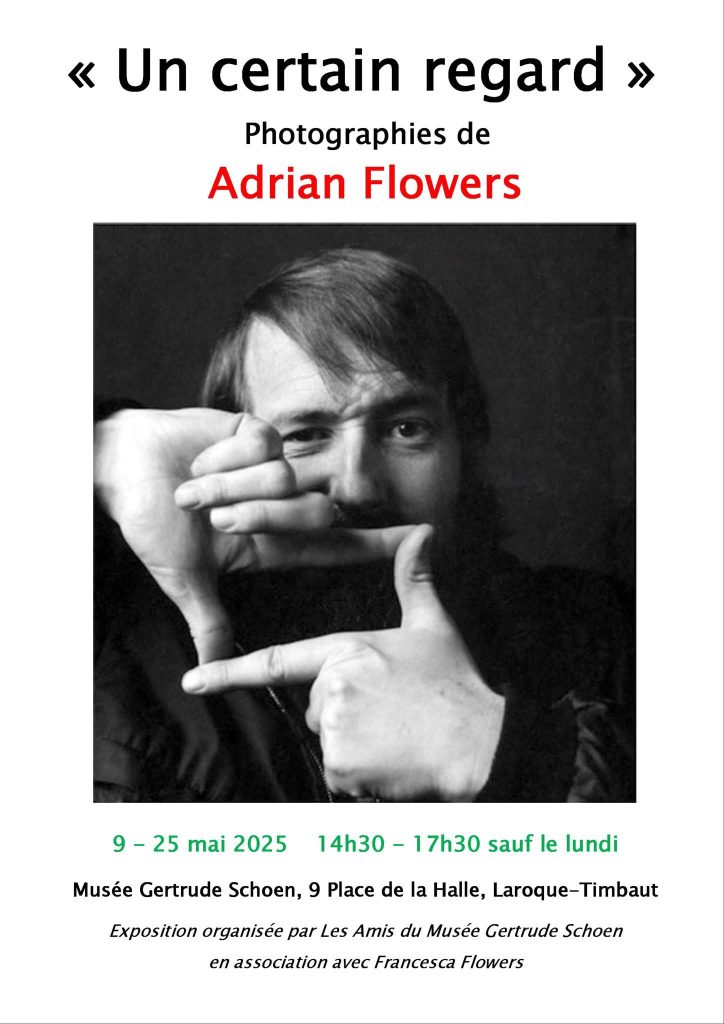
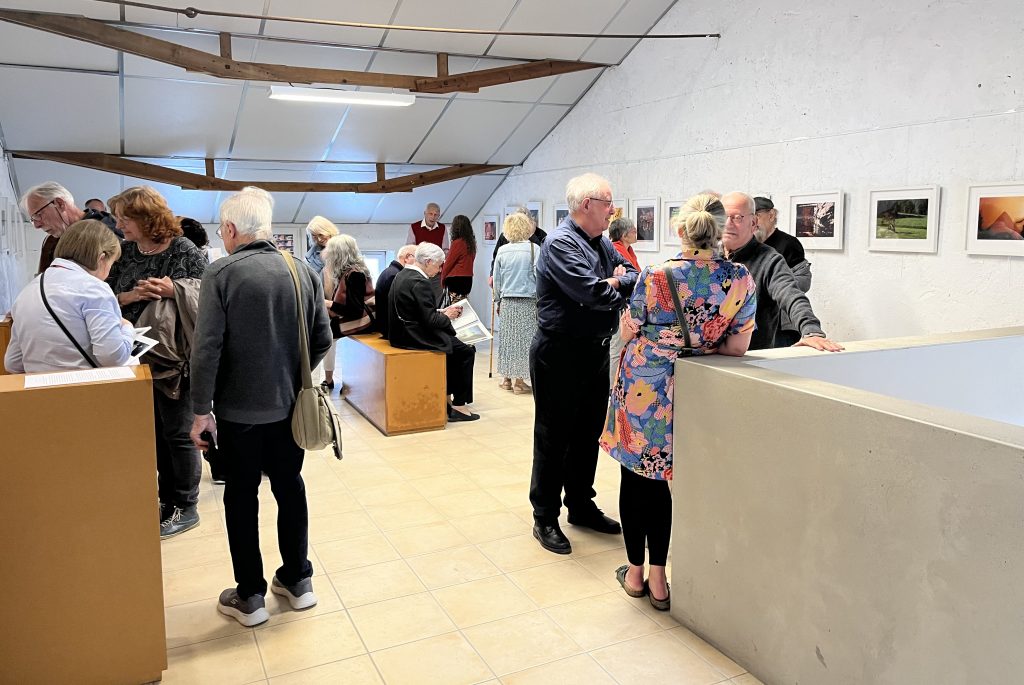
Opening of Un Certain Regard May 2025

Francesca Flowers. Photograph by Peter Murray

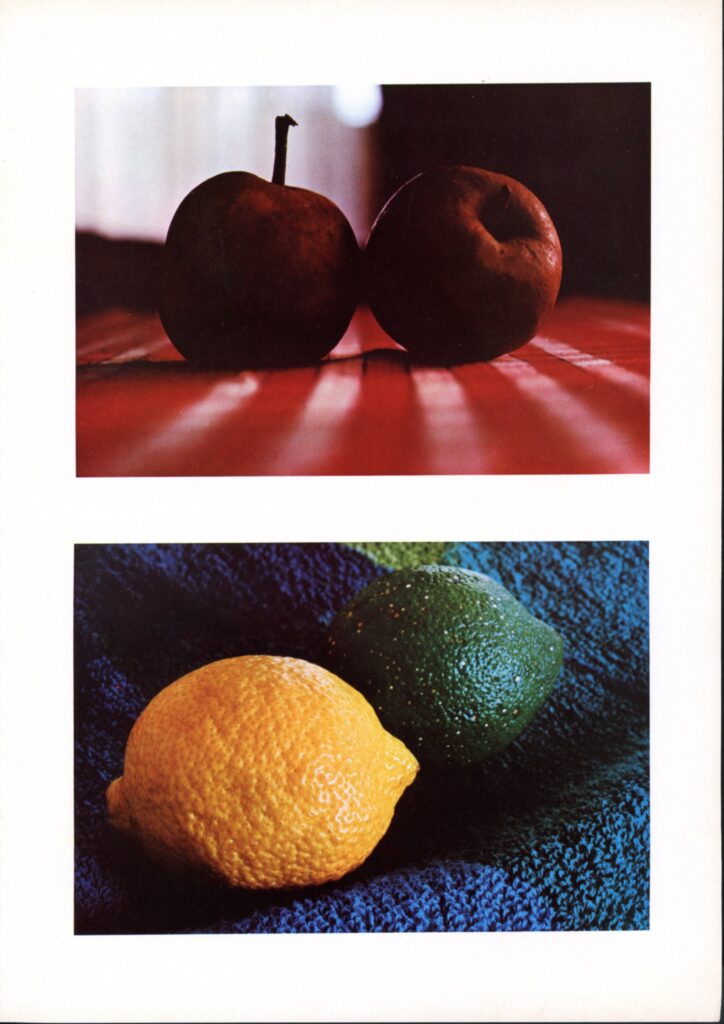
Adrian Flowers, Vase and Egg, 1988

L’espoir dans un vase ?

Un vase se trouve dans plusieurs photos exposées.

Le vase est une forme que l’on retrouve dans plusieurs œuvres d’Adrian Flowers dans la deuxième partie de sa carrière, et l’intention était bien de chercher à mettre en évidence une coïncidence non fortuite avec son nom ! Adrian Flowers a longtemps cherché le genre d’objet qui soit une sorte de récipient, pas nécessairement beau ni d’un design compliqué, ayant seulement une forme qui s’écarte un peu de ce qu’on entend habituellement par vase. À première vue, c’est un récipient banal, mais conçu avec une différence : le haut est plus large que celui des vases courants, sa forme s’apparente un peu à une sorte de petite jarre, suggérant l’idée que le contenu peut s’en échapper facilement. 

Considéré comme un symbole, ce vase est un clin d’œil à la fameuse Boîte de Pandore qui était en réalité une jarre, pithos en grec, scellée pour empêcher la dispersion de son contenu. Lorsque le seau de la jarre fut retiré inopportunément, par curiosité, tous les maux du monde s’en échappèrent ne laissant dans la jarre qu’une seule chose, l’espoir. Donner de l’espoir, c’est faire entrevoir à tout un chacun que tout n’est pas perdu dans l’existence. 

Adrian Flowers 

(traduction de Françoise Lina-Flowers)

Talk by Francesca Flowers about the Adrian Flowers exhibition.
May 2025. Photograph by Peter Murray


Categories
Adrian Flowers Photography Archive

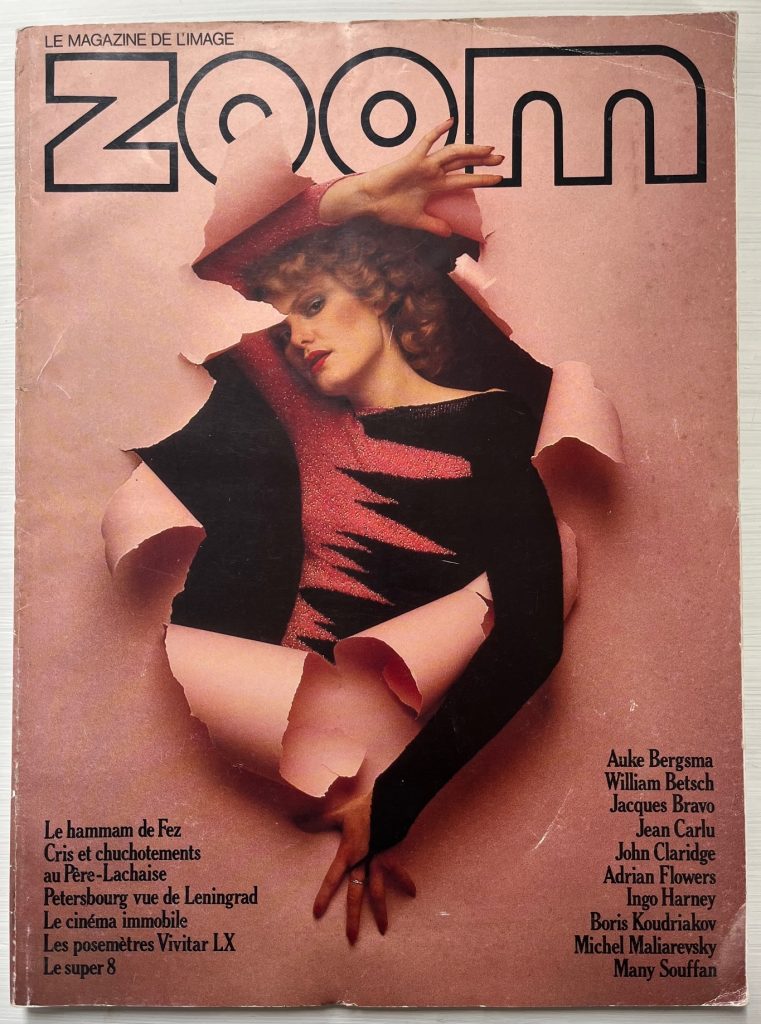
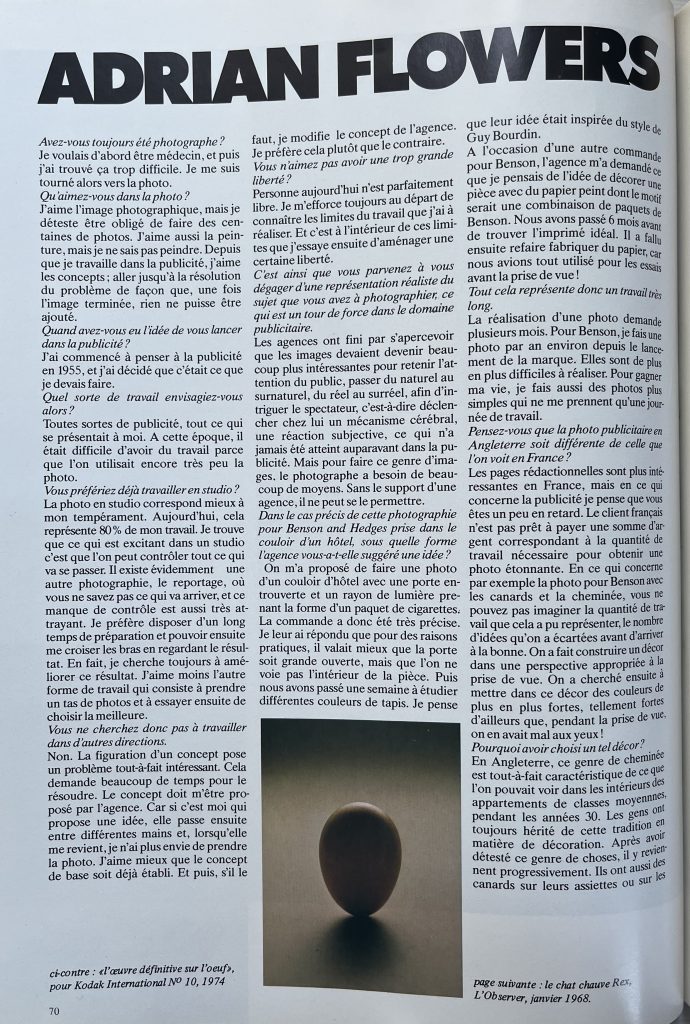
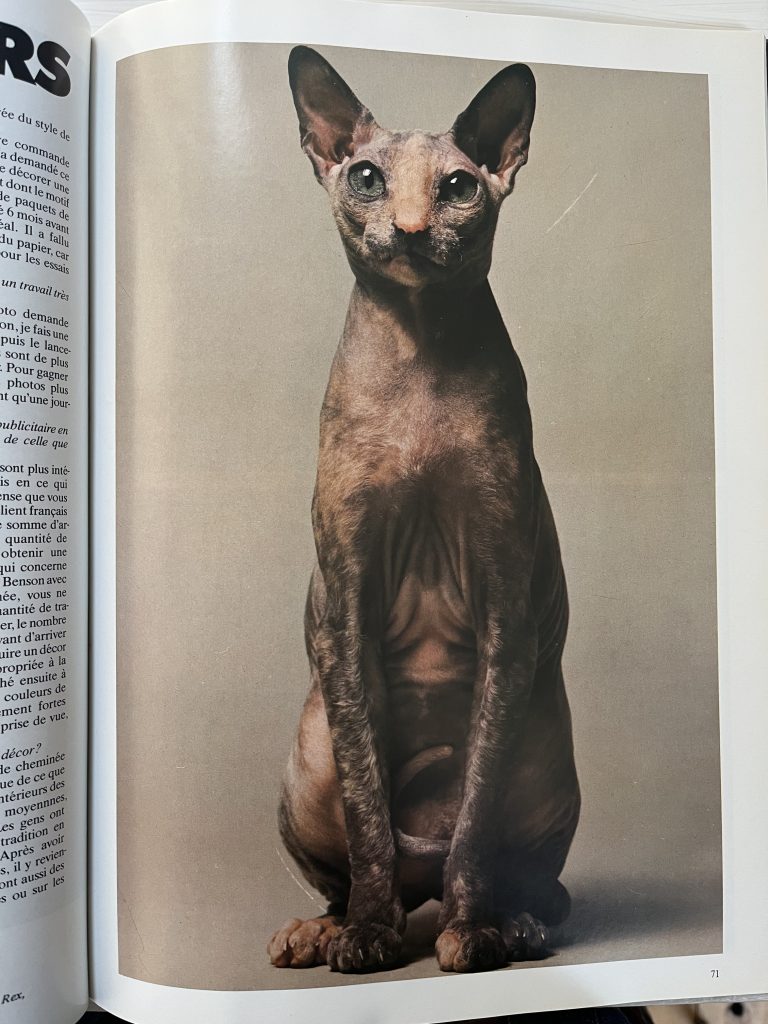
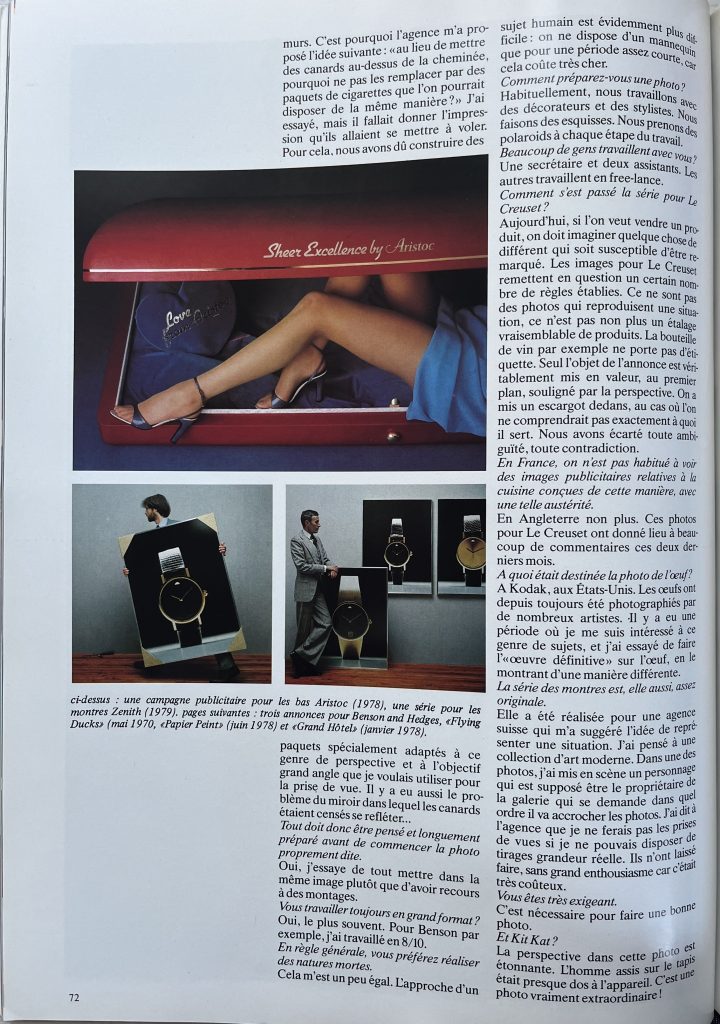
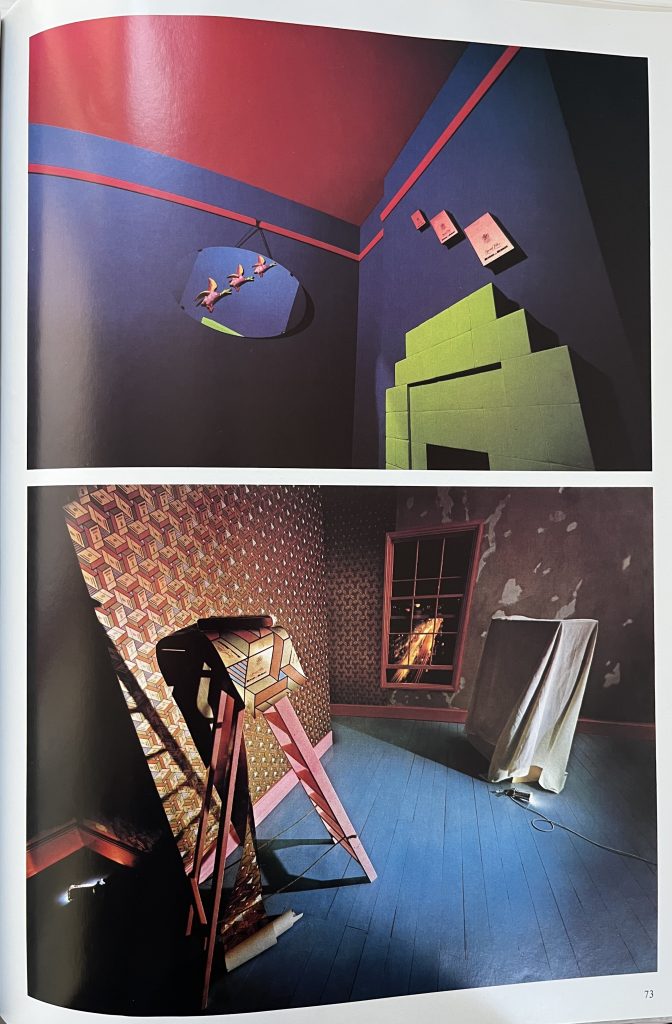
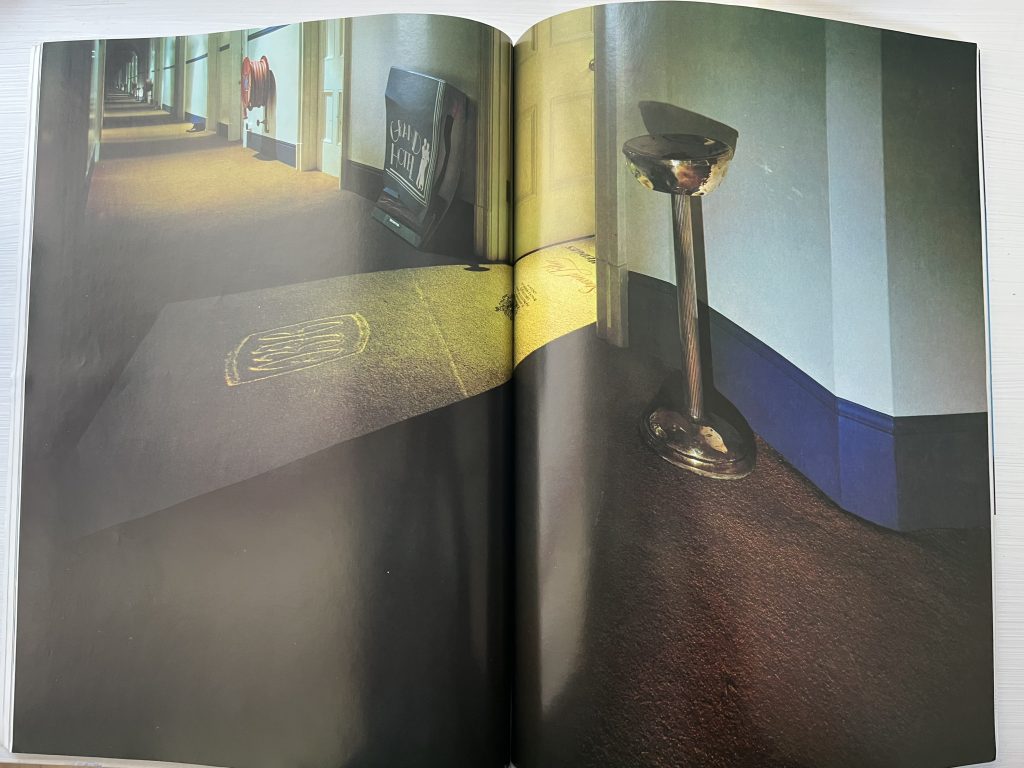
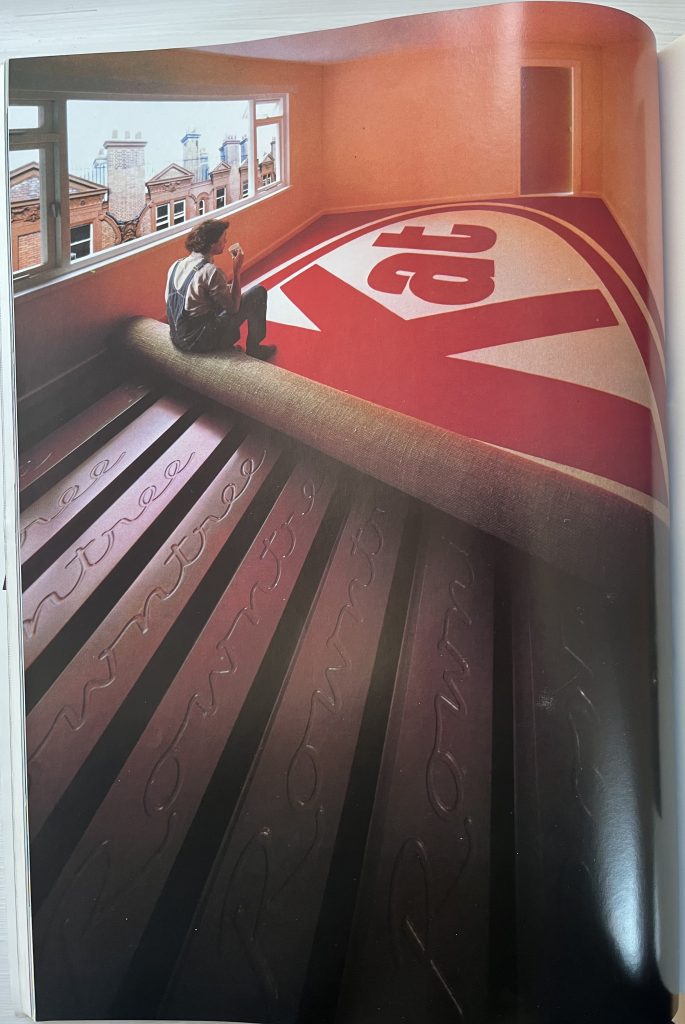
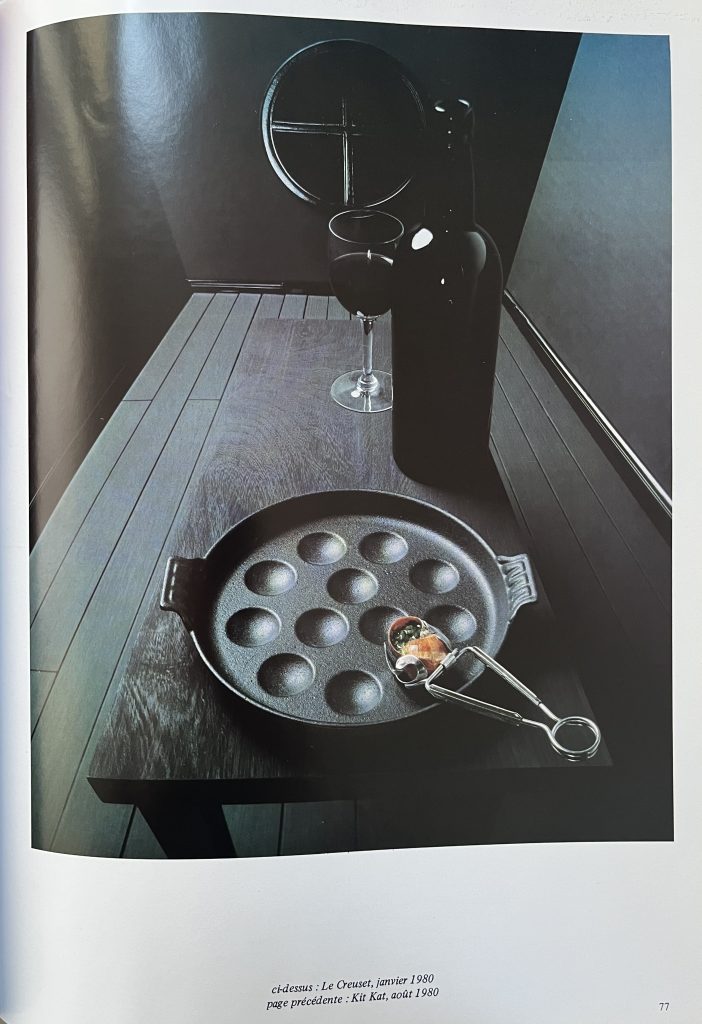
Adrian Flowers featured in Zoom Magazine

Zoom – Le Magazine de l’Image, 1980
Categories
Adrian Flowers Photography Archive Musicians

Nelly Ben-Or MBE

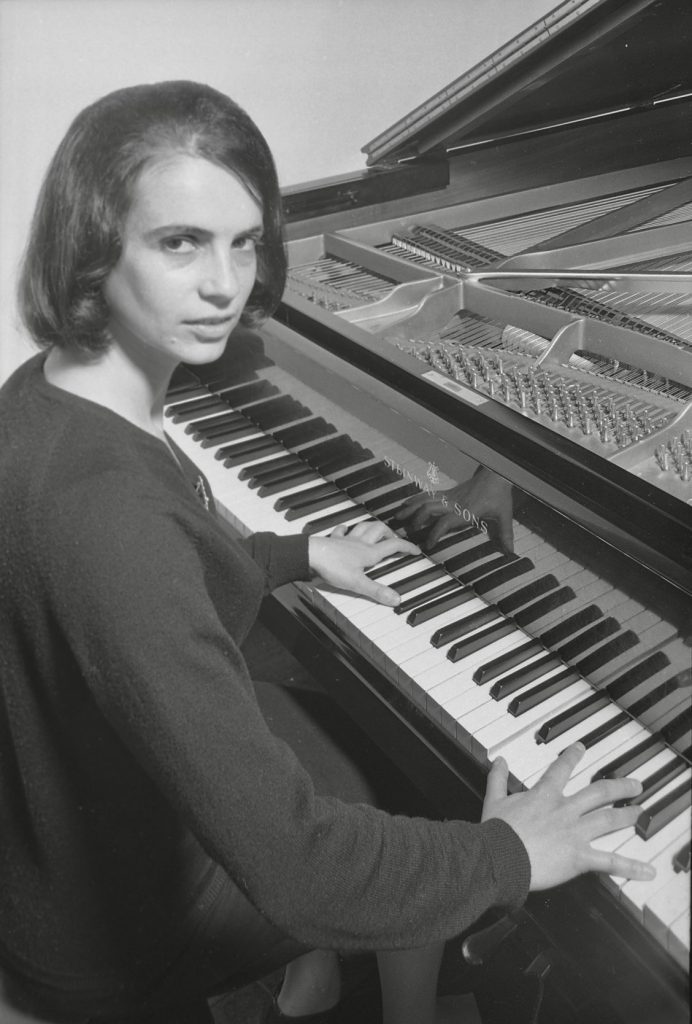
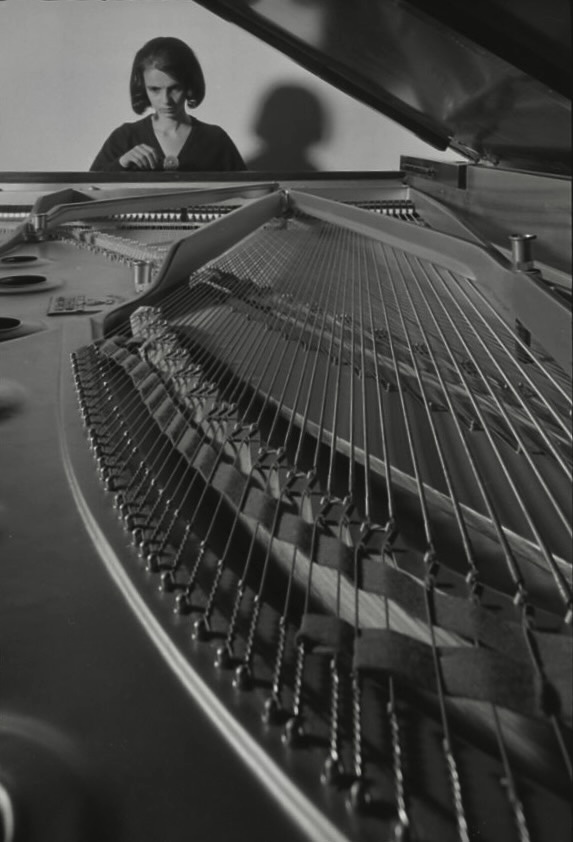
Nelly Ben-Or photographed by Adrian Flowers in November 1963. This image was used for the cover of her autobiography in 2019.

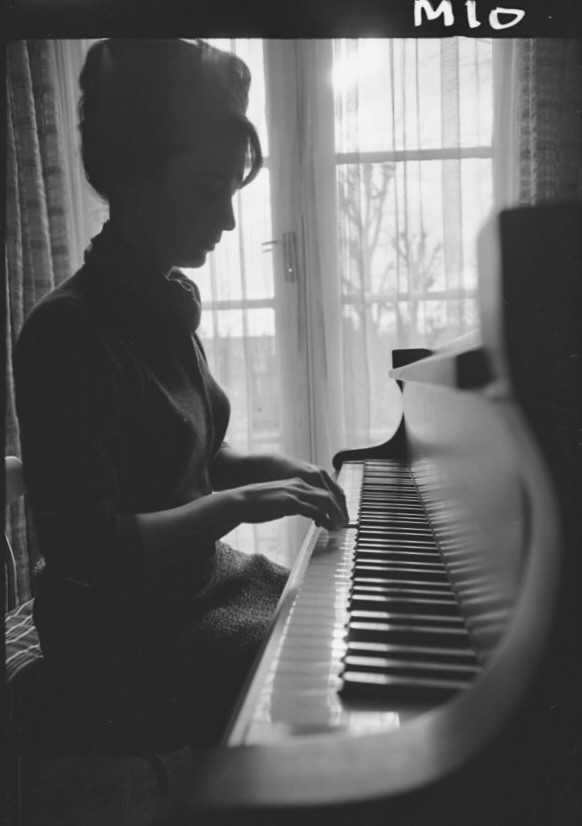
Beginning in March 1964, over the course of two years Adrian Flowers photographed the concert pianist Nelly Ben-Or on three separate occasions. The first two sittings were on 20 March and 25 March 1963, while the third was on 13 November 1964 [Archive nos. 4495, 4505, and 4952 respectively]. The commission came from a ‘Mrs. Clore’, presumably a friend or patron of the musician. The first session involved both head and shoulder portraits, with Nelly, then aged thirty, wearing a plain dress. The photographs were taken in a domestic interior.

Nelly Ben-Or, March 1963. Photograph by Adrian Flowers

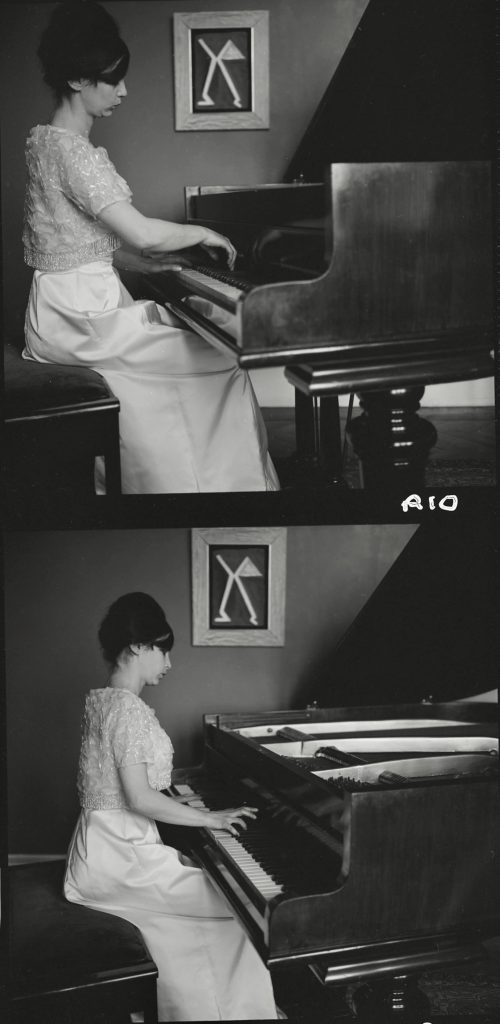
There is also a sequence where she stands, or sits at a Steinway grand piano, with her hair coiffured, wearing an evening dress. The photographs show a dark-haired beautiful woman. In some, she has a serious expression, in others a captivating smile, but in several can be discerned hints of the traumas she had endured during her lifetime.

Nelly Ben-Or, March 1963. Photograph by Adrian Flowers

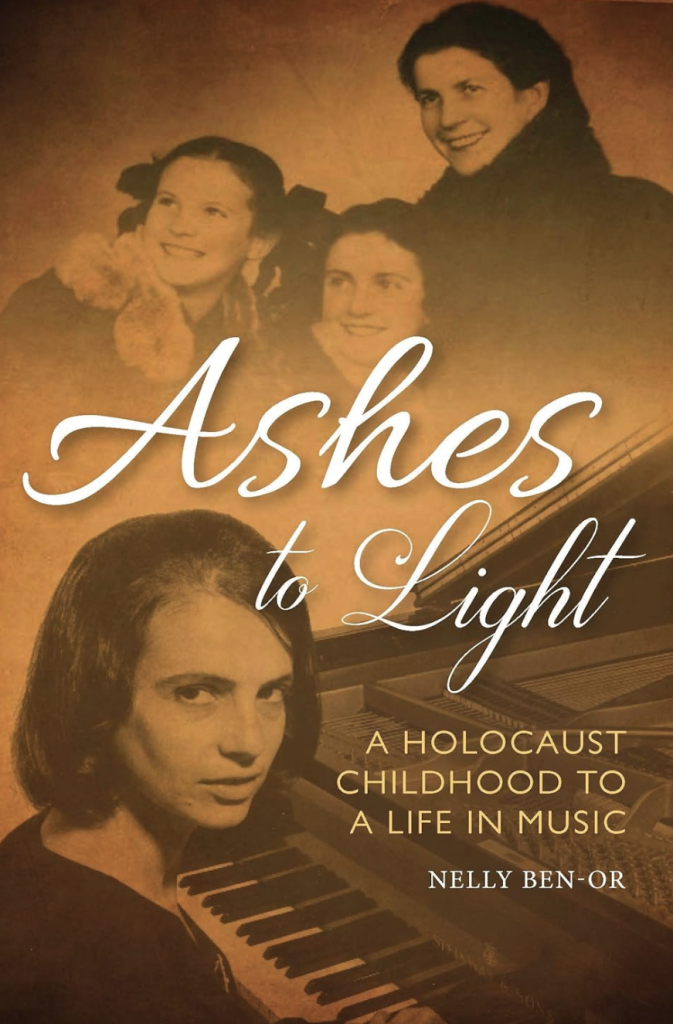
The November 1964 photographs show Nelly sitting again at a Steinway piano, but this time she is dressed simply and has her hair tied back. These may have been taken in a rehearsal room at the Guildhall School of Music. One of these photographs was used on the cover of her autobiography Ashes to Light: A Holocaust Childhood to a Life in Music, published in 2019. A frank narrative, it recounts the nightmares of life under Nazi rule, and the joy of liberation,  but also the inevitable periods of depression and post-traumatic stress, from which only music could liberate her.

Born in 1933 in Lwów, eastern Poland (now Lviv, in Ukraine) Nelly Ben-Or came from a middle-class Jewish family. Her mother’s family name was Linden, while her father, Leon Podhoretz, was a travelling salesman for L & C Hardtmuth, a company based in České Budejovice that manufactured fountain pens and Koh-i-noor propelling pencils. However, the peace and security of Nelly’s childhood was destroyed when Germany invaded Poland in 1939. Although the Molotov-Ribbentrop Pact meant the city initially came under Soviet control, Operation Barbarossa overturned that, and Nelly spent the war years fearing for her life. From the age of five, she had played the piano, but when German soldiers raided her home and confiscated everything of value, including the piano, the family was forced to move to a ghetto, where conditions were grim. Her mother and sister Fryderyka managed to survive, but her father was taken to Janowska concentration camp and murdered. Helped by a Dr. Poldi, Nelly and her mother Antonina fled Lviv. Using false identity papers and pretending to be Catholics, they travelled by train to Warsaw, where they stayed with the Topolskis, a Christian family. The Topoloskis protected them, but when neighbours became suspicious, they had to move on. Antonina found work as a maid with the Kowalskis, and Nelly was given piano lessons along with the daughter of the family. But once again neighbours became suspicious. During the Warsaw Ghetto uprising she and her mother were rounded up and narrowly escaped being sent to a concentration camp. By now penniless refugees, they found shelter in a converted pigsty in Pruszków where they lived in great poverty. Hearing the sound of a piano from a nearby house, they met a piano teacher who took pity and gave Nelly lessons each day. While enduring these hardships, Nelly dreamed of being able to live free from persecution and in 1950 she was awarded a scholarship to study under Henrietta Michaelson at the Music Academy in Jerusalem. Two years later she won first prize at the Mozart Piano Competition in Israel.

In 1960 Nelly moved to England, where she met and married Roger Clynes. Her mother later joined her in England. Nelly and her husband settled in Northwood in London. Their daughter Daniela has gone on to become a noted jazz singer, creating a number of solo shows including Journey, based on her mother’s life and escape from the Warsaw Ghetto. Nelly has had a long and distinguished career as a concert pianist, and since 1975 has been a teacher at the Guildhall School of Music. Inspired and taught by Patrick MacDonald, she uses the Alexander Technique as part of piano playing. Her many CDs include Czech Piano Quartets, Chopin Dances, Beethoven Bagatelles and Schubert Impromptus. In 2020 Nelly received the MBE for services to Holocaust education. 

Nelly Ben-Or, November 1964. Photograph by Adrian Flowers

Text: Peter Murray

Editor: Francesca Flowers

All images subject to copyright.

Adrian Flowers Archive ©

Categories
Adrian Flowers Photography Archive

Interviews with Adrian Flowers

Hot Shoe Magazine

Categories
Actors Adrian Flowers Photography Archive

Vanessa Redgrave

Vanessa Redgrave, January 1962, photographed by Adrian Flowers

Born in Blackheath in 1937, the actor and activist Vanessa Redgrave comes from a family already famous in the world of stage and screen. The daughter of Sir Michael Redgrave and Rachel Kempson, and sister of Colin and Lynn Redgrave, after studying at the Central School of Speech and Drama, in 1958 she made her stage debut in A Touch of Sun. The following year she appeared in A Midsummer Night’s Dream and two years later was widely praised for her portrayal of Rosalind in the Royal Shakespeare Company’s productions of As You Like It.In 1962, still a rising star in the world of theatre, and by now married to the film director Tony Richardson, Redgrave played Imogen in Cymbeline, directed by Bill Gaskill for the RSC at the Aldwych Theatre. That year she featured in Mademoiselle magazine in the United State, with photographs by Sandra Lousada and was also on the cover of the June 4th international issue of Life magazine, dressed for her role as Rosalind. 

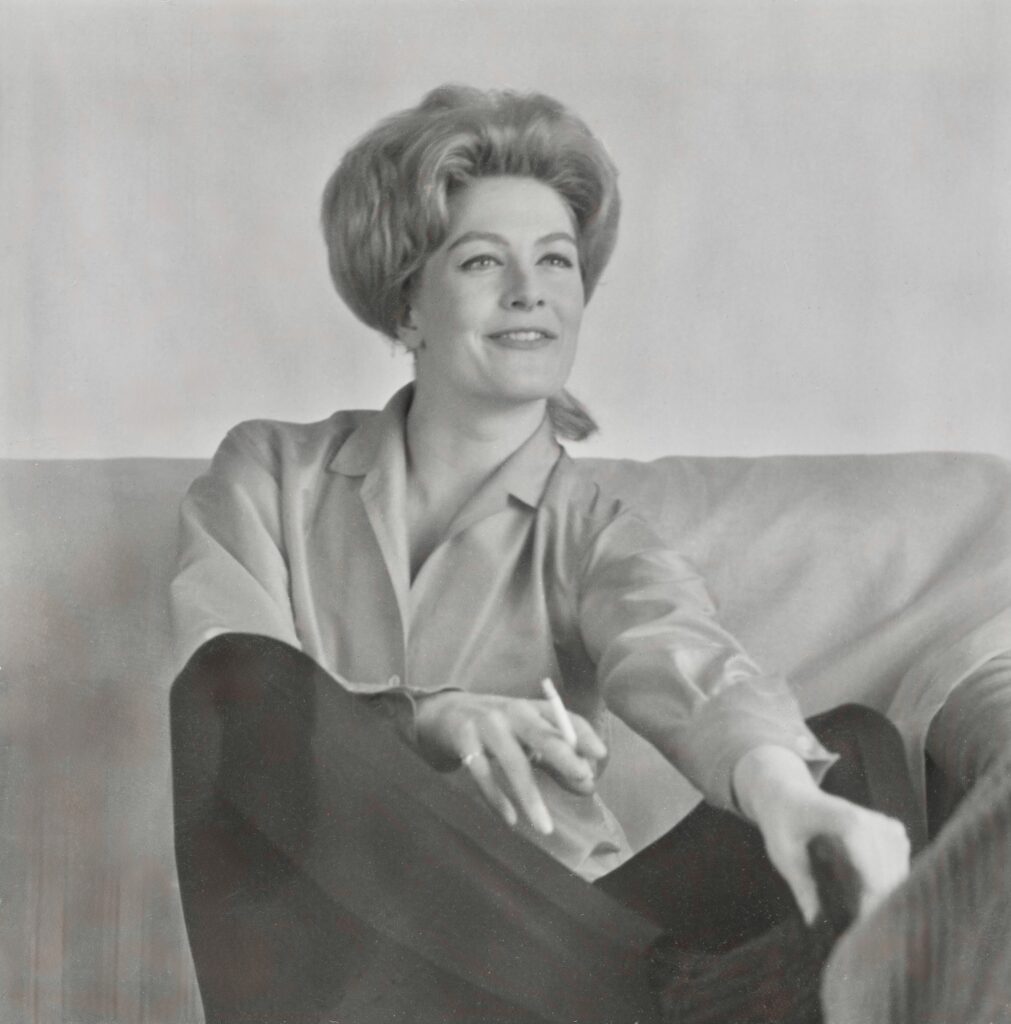
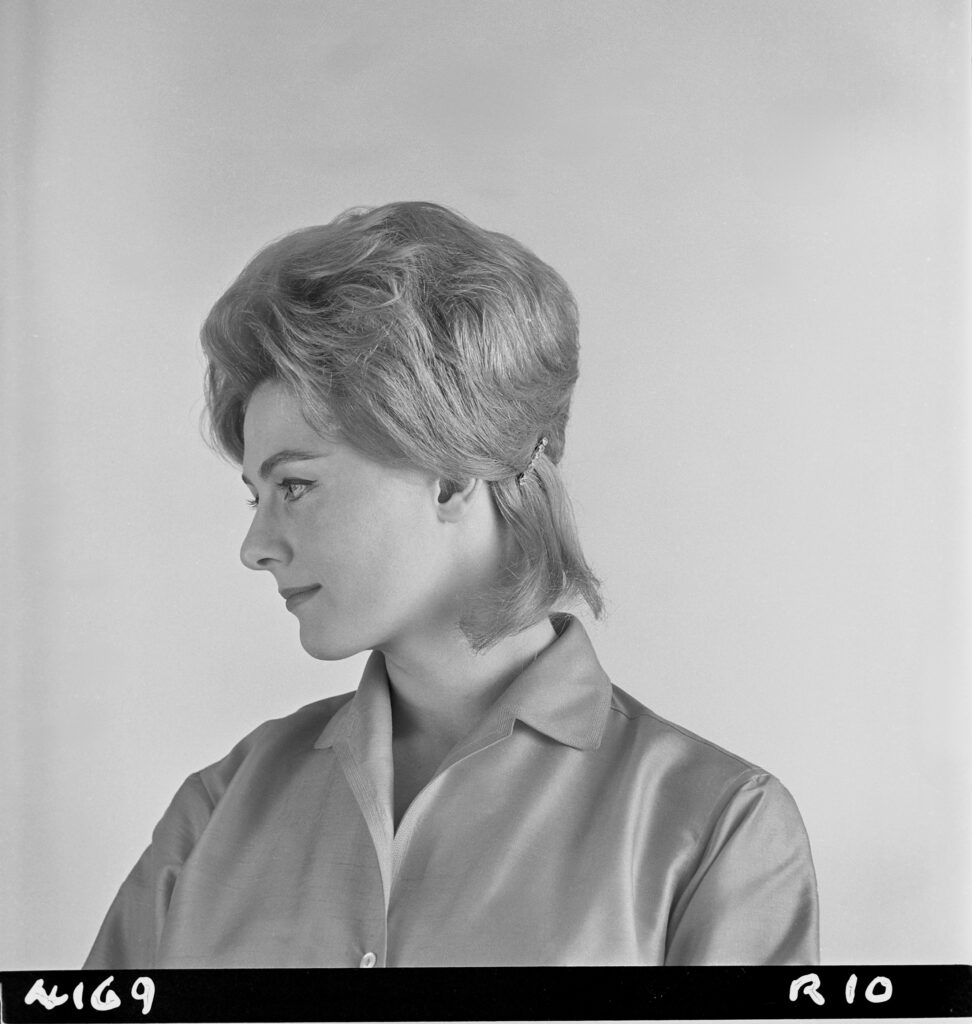
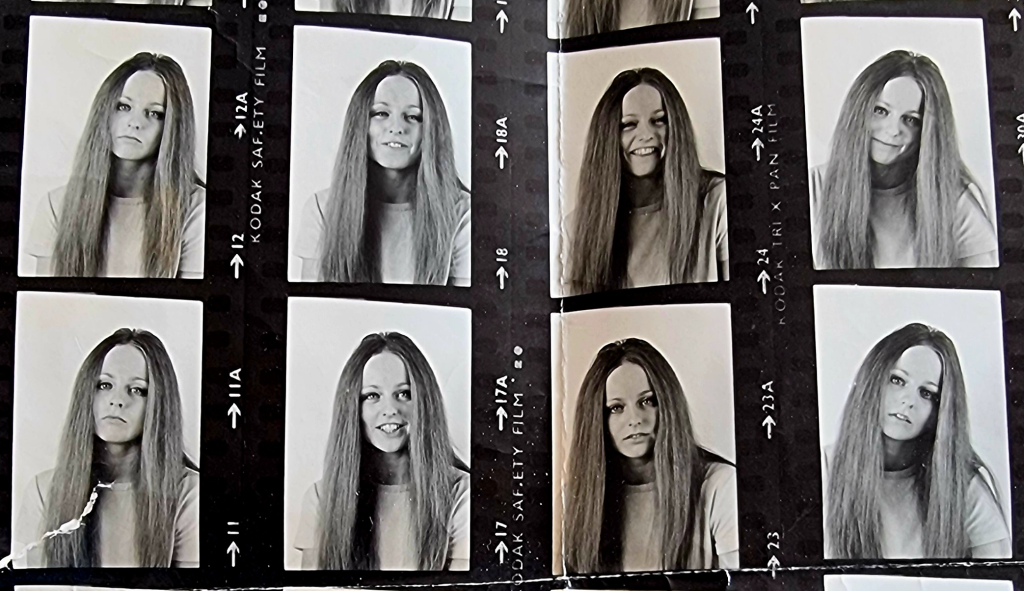
On Monday 22nd  January 1962, Redgrave’s name appears in the studio diary of the Adrian Flowers studio:  “7.30 Flair  Vanessa Redgrave 13 Grenvill Pl  FRE2591 . .  pale yellow walls blue velvet dress”. Judging by the entry, the appointment was for a planned article in Flair magazine. While bearing the same name as the magazine founded by Fleur Fenton Cowles in 1950, the Flair magazine for which Adrian Flowers photographed Redgrave was a quite separate publication, specializing in fashion and beauty as well as feature articles. The diary entry indicates that the photograph session was to take place in Kensington; 13 Grenville Place is just north of Cromwell Road. The twelve photographs taken that evening are all informal, with Redgrave laughing, chatting and posing for the camera. While contact sheet 4169 consists of three strips of four images, making a total of twelve, one of the original negative strips is missing from the AF Archive—perhaps because it was sent to Flair magazine.

Vanessa Redgrave, January 1962, JN 4169,
photographed by Adrian Flowers

The images are beguiling. A seasoned professional, Redgrave is both relaxed and also aware of the camera, turning her head, smiling, and radiating confidence and a warm human spirit.  Since infancy, she had been photographed by some of the top names in photography, including Angus McBean, Yousuf Karsh, George Konig, Paul Tanqueray, and, in 1962, by Tony Eyles. Seven of the photographs by Adrian Flowers are head and shoulders, while the rest show her dressed in a high-necked shirt, with dark slacks and stockinged feet, sitting informally on a couch, legs crossed or feet resting on a low table. She wears no jewellery, little make-up, and her abundant hair is pinned back with a hairclip. The couch has sheets draped over it, to conceal the brightly patterned fabric. In several, she is smoking a cigarette. The background is a plain wall.In a period when portrait photography emphasized fashion, make-up and accessories, these photographs by Adrian Flowers stand out as a record of the person Vanessa Redgrave, direct, honest and fearless, rather than portraying her as a star of stage and screen.

Text: Peter Murray

Editor: Francesca Flowers

All images subject to copyright.

Adrian Flowers Archive ©

Categories
Adrian Flowers Photography Archive

Interviews with Adrian Flowers

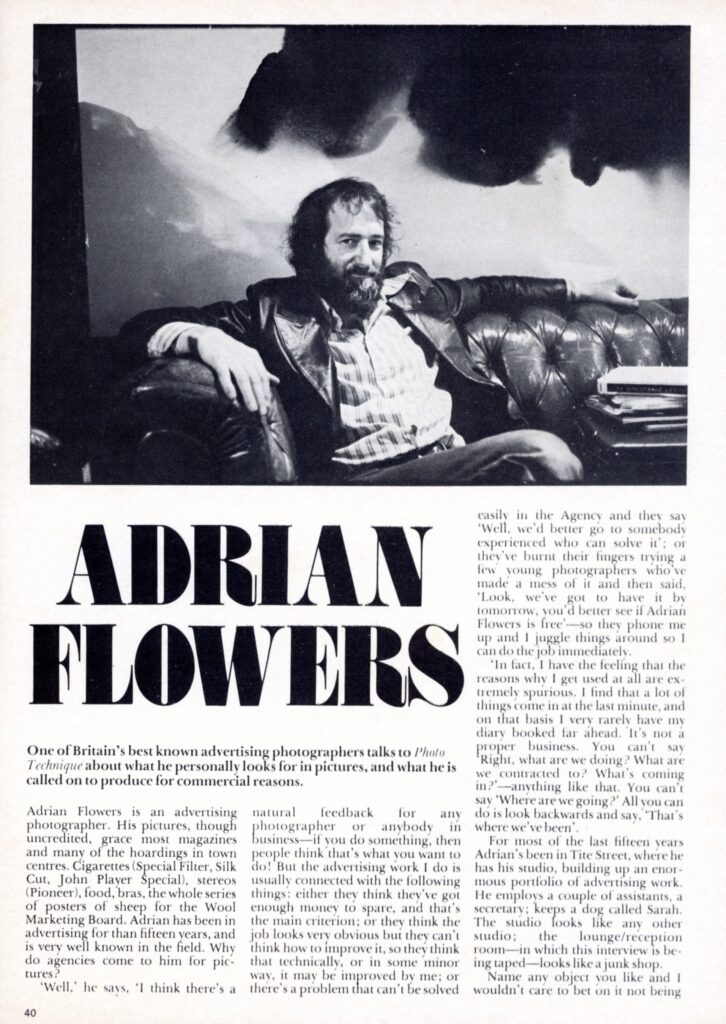
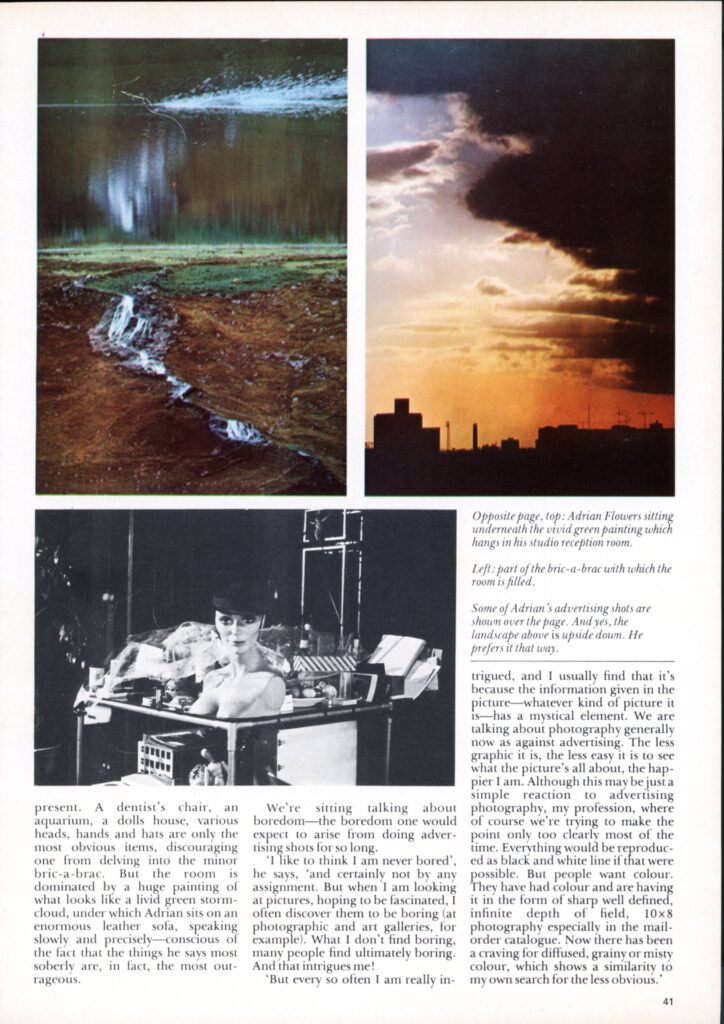
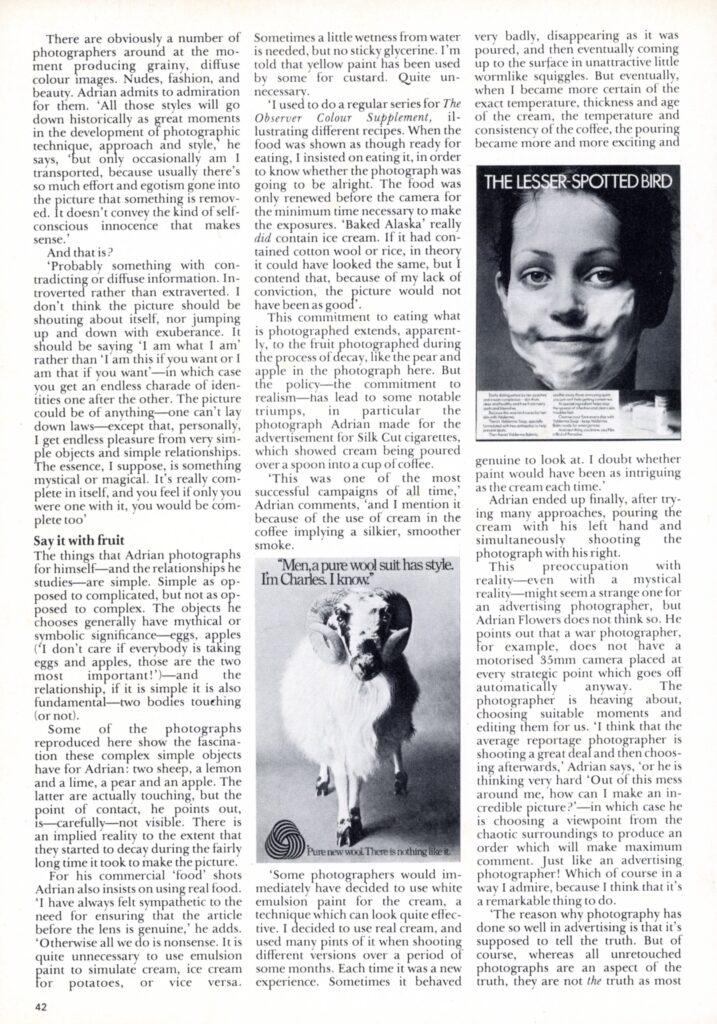
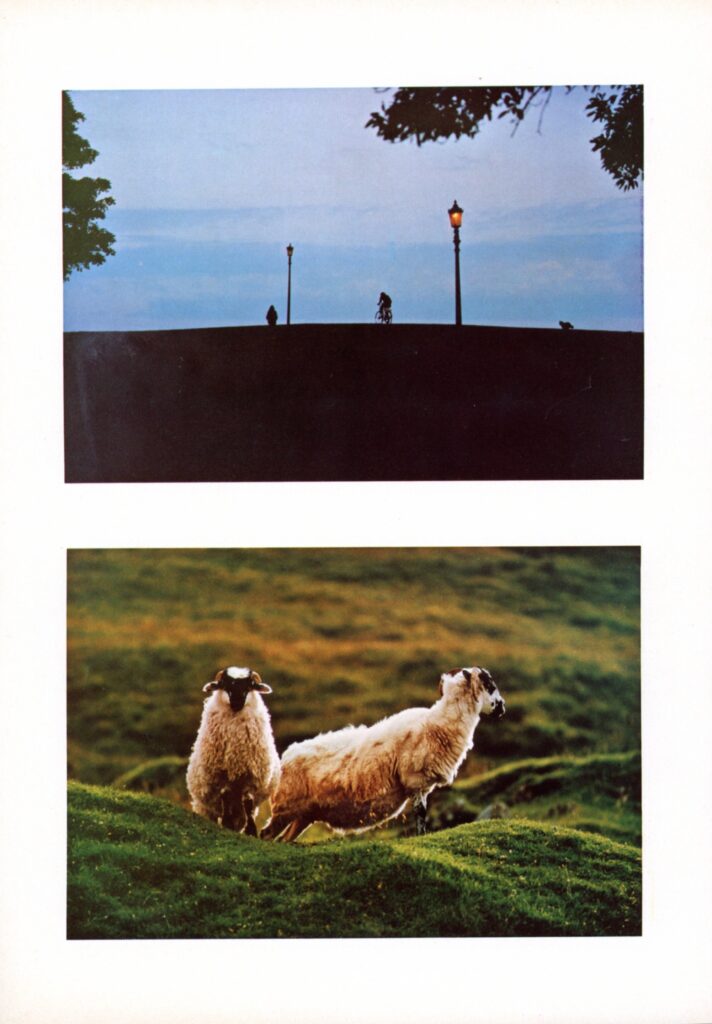
PHOTO TECHNIQUE July 1975

Categories
Adrian Flowers Photography Archive Assistants at Adrian Flowers Studio

Ann Mallett

Ann Mallett, assistant to Adrian Flowers at his studio in Tite St, Chelsea, 1965/66

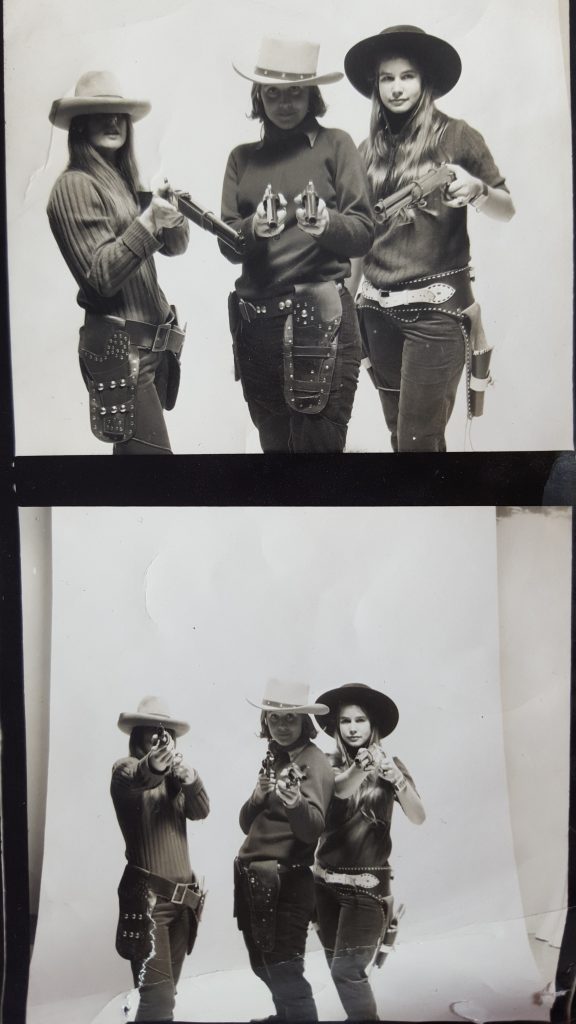
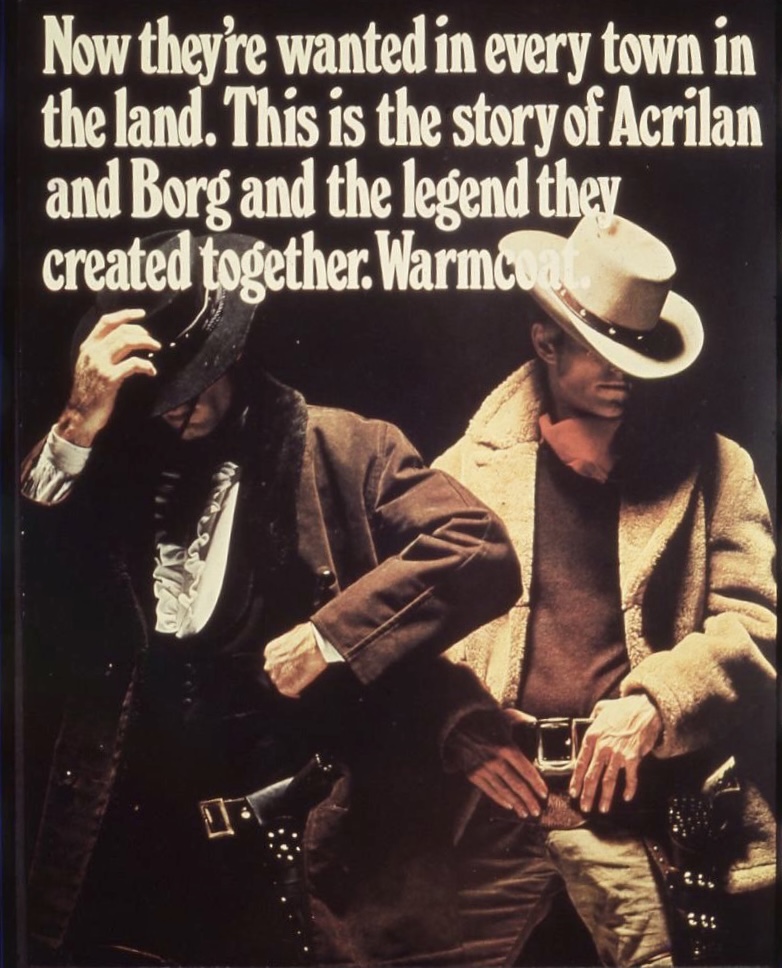
Among the many assistants who worked for Adrian Flowers over the years, Bob Cramp is one of several who stand out as photographers in their own right. Cramp began working in the studio around 1965. Initially he was a ‘first assistant’, tasked with helping Adrian. Soon however, he was showing more initiative, greeting clients, and discussing the shoot. Eventually he was setting up everything for the shoot. Understandably, Adrian began to place increasing confidence in Cramp, relying on him to take care of the difficult parts of a job, and coming to the studio when the photograph was ready to be taken. As soon as this was completed, Adrian and the client would go to lunch, while Cramp remained in the studio, supervising the development of the film. After a review of the negatives in the afternoon, there might be a final shoot. In addition to this work, Cramp took his own photographs, and in a series of negatives dating from 1967, Ann Mallett and two other assistants appear larking about, dressed in cowboy costumes—the costumes were from an advertising shoot for the clothing firm Acrilan and Borg. Eventually, both Adrian and Cramp agreed it was time for change, and so, with Adrian’s blessing and with Smirnoff as his first client, Cramp set up his own studio.

Ann Mallett (on the left) with colleagues
at Adrian Flowers studio.
Photograph by Adrian’s assistant Bob Cramp
Advertisement for The Borg Acrilan Warmcoat, October 1967.
Photograph by Adrian Flowers

It was during Cramp’s time at the studio, that Ann Mallett (Kirsop at the time) had been interviewed for the job of second assistant. She had secured the interview through Jonathan Reynolds, a friend of her brother’s, who was working for Adrian at the time. Mallett was nineteen years old, and remembers the experience as a bit overwhelming, as, carrying her art portfolio, she was ushered into the room and asked to sit on a large Chesterfield sofa. Although Mallett had no formal art training, she was a keen semi-professional artist, who specialised in finely-drawn portraits. Her portfolio was whisked away by Ray Hawkey, who went through her drawings, while Adrian, sitting in a vintage dentist’s chair—one of the more eccentric features of the Tite Street studios—quizzed Mallett as to her qualifications for becoming an assistant photographer. Mallett recalls little of what was said, her attention being drawn to the large tank, full of tropical fish, that was Adrian’s pride and joy. Hawkey then returned and had a quiet word with Adrian, commending her artwork. She got the job.

This involved working in the dark room, and she recalls Aubrey Rix giving her a roll of film to develop, on the strict understanding that its contents were not to be disclosed to anyone. Apparently, the roll of film contained images of frolics involving Britt Ekland, Peter Sellers and Lord Snowdon. Mallett worked on several shoots for ad campaigns, including one for brandy. She remembers other employees at the studio, including “the fabulous Mrs. Wines, a real character”. Working at the studio inevitably led to relationships, and in spite of Adrian’s disapproval, Mallet and studio printer Alan Blake got together, and Adrian attended their wedding.

Mrs Wines at Tite Street

After a disagreement with another employee at the studio, Seigfried Kerson, who took it upon himself to act as a HR manager, both Blake and Mallett left. Initially they worked in Germany, before returning to England, where Mallett worked at an advertising studio in Merton. She and Blake then raised a family.

She recalls with tremendous affection working at the Adrian Flowers studio at Tite Street, the years there being “some of the most memorable and exciting of my life—we all loved Uncle Ade”.

Contact sheet of photographs of Adrian Flowers by Ann Mallett, 1967

Portrait of Adrian Flowers by Ann Mallett

Text: Peter Murray

with thanks to Ann Mallett

Editor: Francesca Flowers

All images subject to copyright.

Adrian Flowers Archive ©

Categories
Adrian Flowers Photography Archive Adrian Flowers Studio Assistants at Adrian Flowers Studio Portraits

Tor Hildyard: Memories of working with Adrian Flowers (1974-1977)

Tor Hildyard, June 1974. Assistant to Adrian Flowers.
Photograph by Adrian Flowers

I first came to hear about Adrian when I was on holiday in Corfu in 1974. A friend of Kathy Vibert, who worked for Adrian, was also staying in the cottage and mentioned that Adrian was looking for another assistant.

When I got back from holiday, Kathy contacted me and asked if I would like to come for an interview. I had never been to a job interview before, let alone worked in photography and had only used a Zenit EM, but I was keen to learn and along I went to his studio in Tite Street.  Adrian was sitting on his old leather sofa in the reception room and began to question me on why I wanted to work for him, I think by the end, he only offered me the job because I had the right birth sign, Aquarius and was taller than his first assistant, Steve Garforth, so could reach things he couldn’t.

When I started working at Tite Street, Gala was the PA [see https://adrianflowersarchive.com/gala/]; later to be replaced by Issi Thomas. Steve Garforth the first assistant, [see https://adrianflowersarchive.com/steve-garforth/], Terry was the technician and film developer and Sigi was his agent. There was also the lovely Petrona, who kept the studio looking spick and span and fed us delicious West African food for a Christmas treat. I was paid the vast some of £10.00 a week, which I thought was a fortune and was catapulted into the world of advertising and long days.

Issi Thomas, June 1974. Assistant to Adrian Flowers.
Photograph by Adrian Flowers
Petrona George, June 1974. Assistant and friend to Adrian Flowers for 25 years at his studio in Tite Street.
Photograph by Adrian Flowers

It wasn’t long before I was promoted to help Terry develop the film, first by hand and then using the Adrian’s new toy, the Kalenta.  This machine was able to develop all that day’s shoot in one go and no more fumes to inhale. Magic. 
Until the 3-day week! Then disaster struck. With no warning at all, all the power was switched off and we were plunged into darkness, sometimes for hours. If this happened during the development of the film, all the chemicals poured in at once, immediately ruining the days shoot. So, to get over this, Adrian had to shoot twice as much, for back up. 
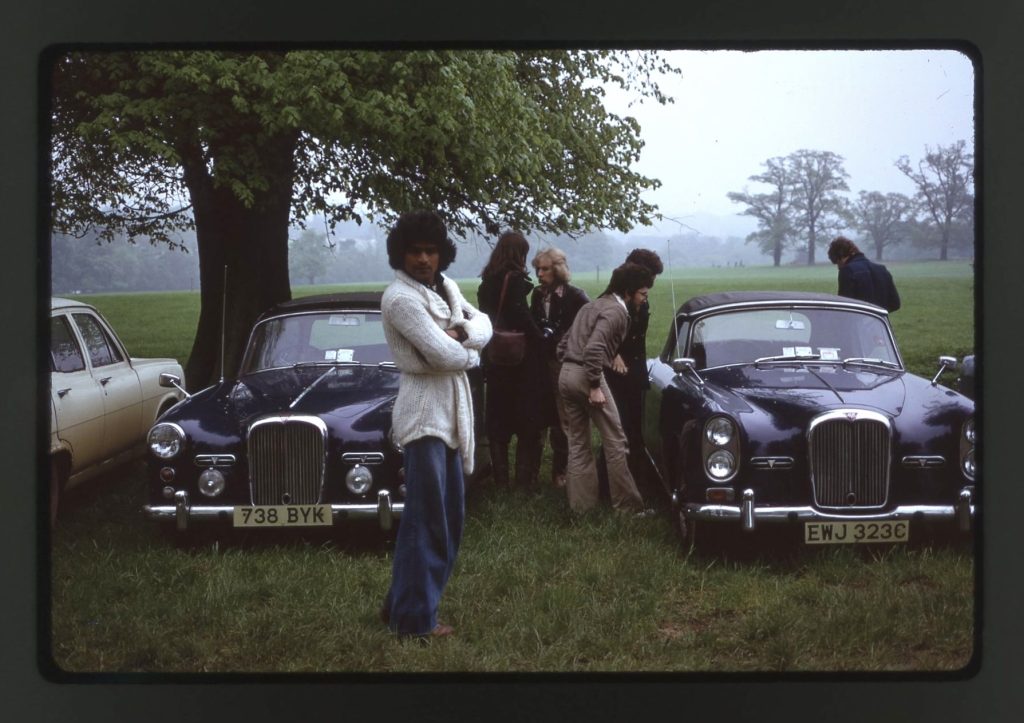
When I first started working at the studio, I didn’t drive, but that was soon sorted. Adrian used to teach me to drive round and round the inside roads of Battersea Park in his treasured Alvis. Nothing like jumping in the deep end!!  

1975 International Alvis Day, Knebworth. Assistant Ashok Koshy in the foreground.
Tor Hildyard and Steve Garforth standing behind.

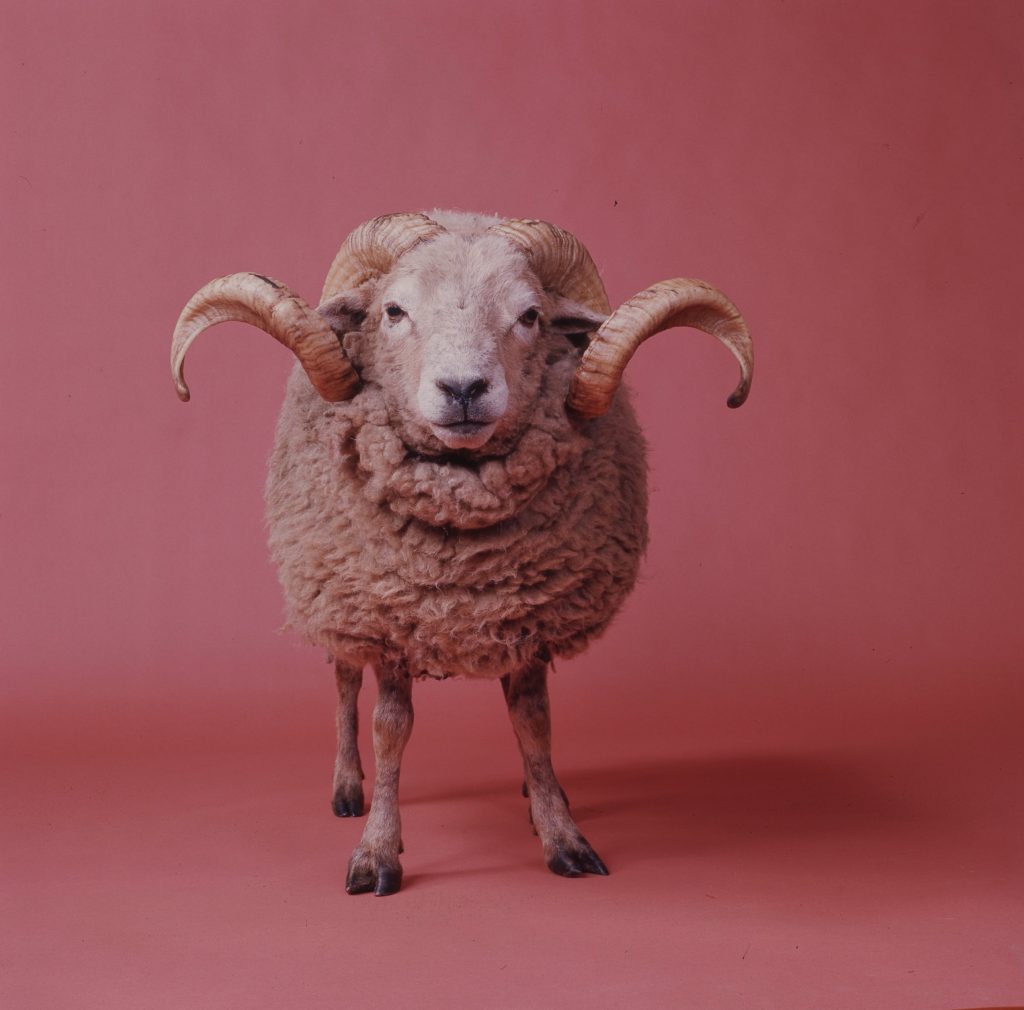
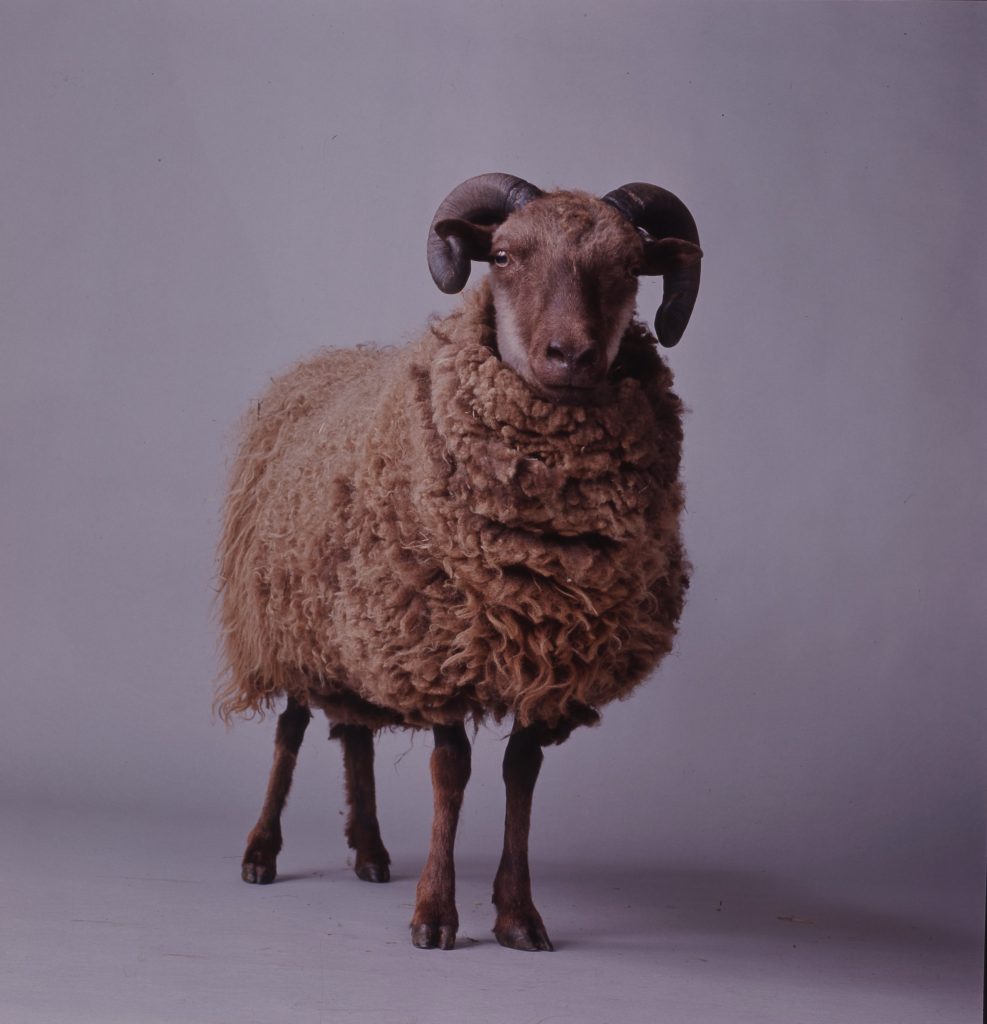
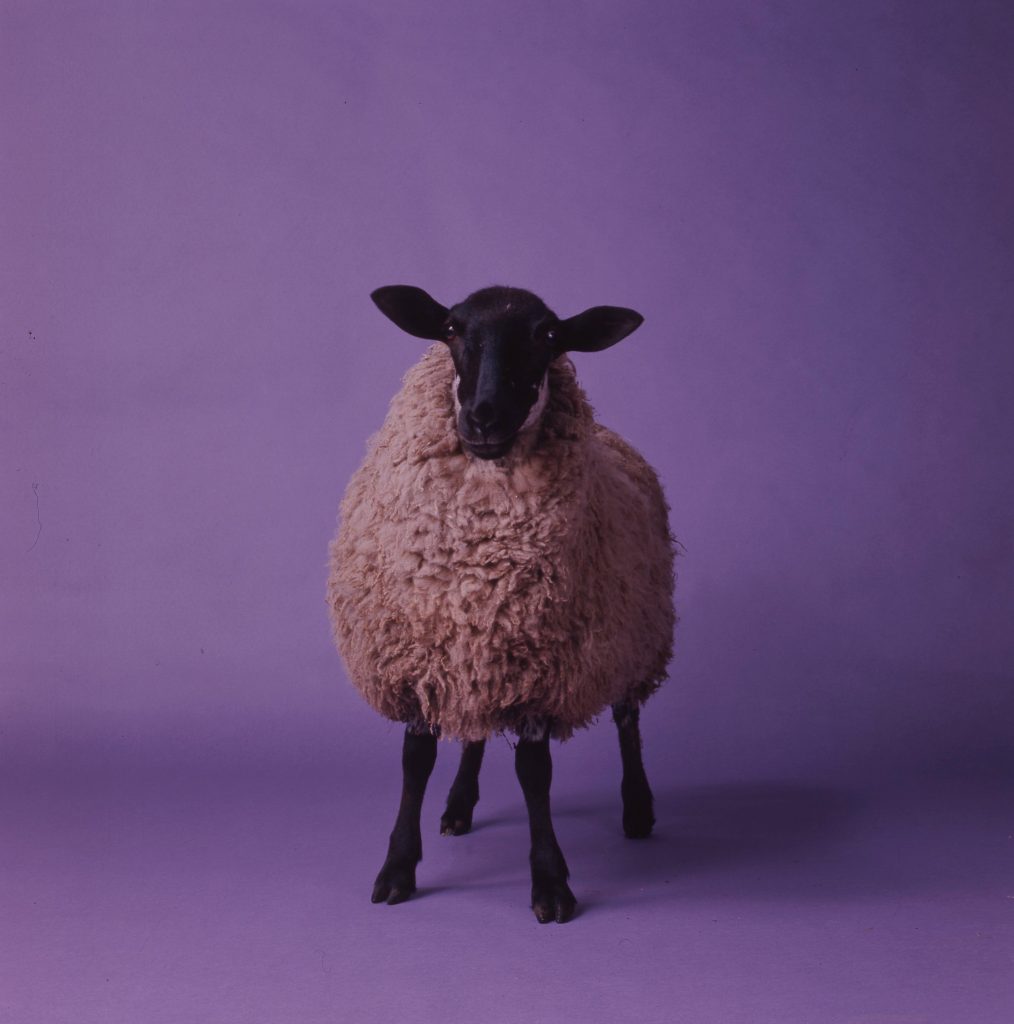
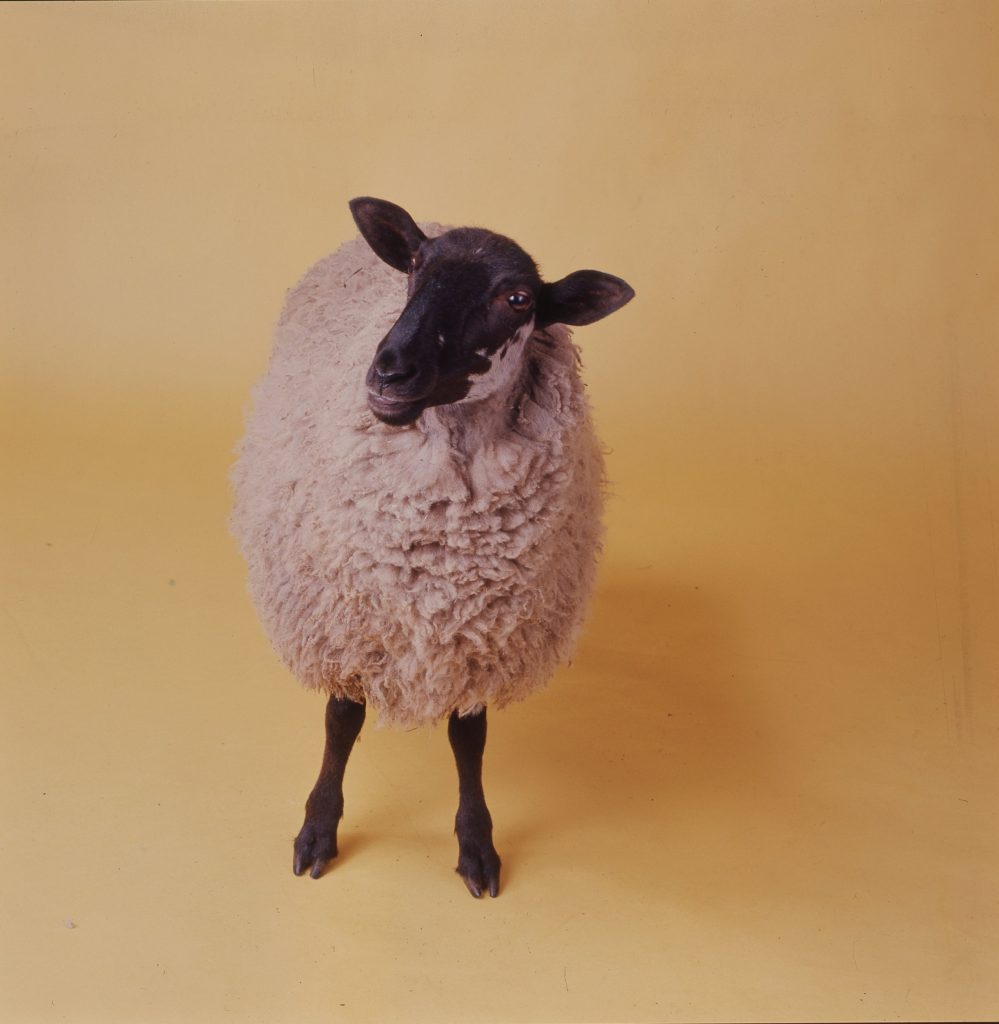
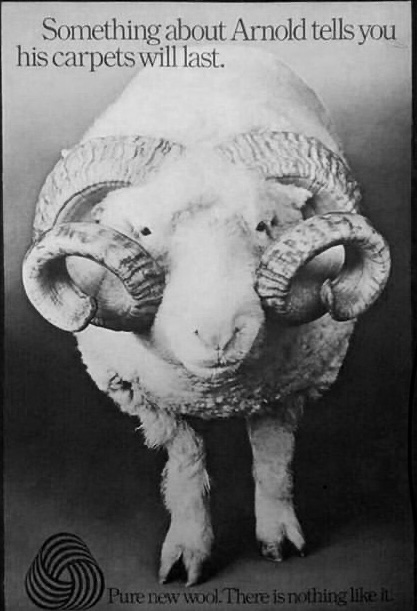
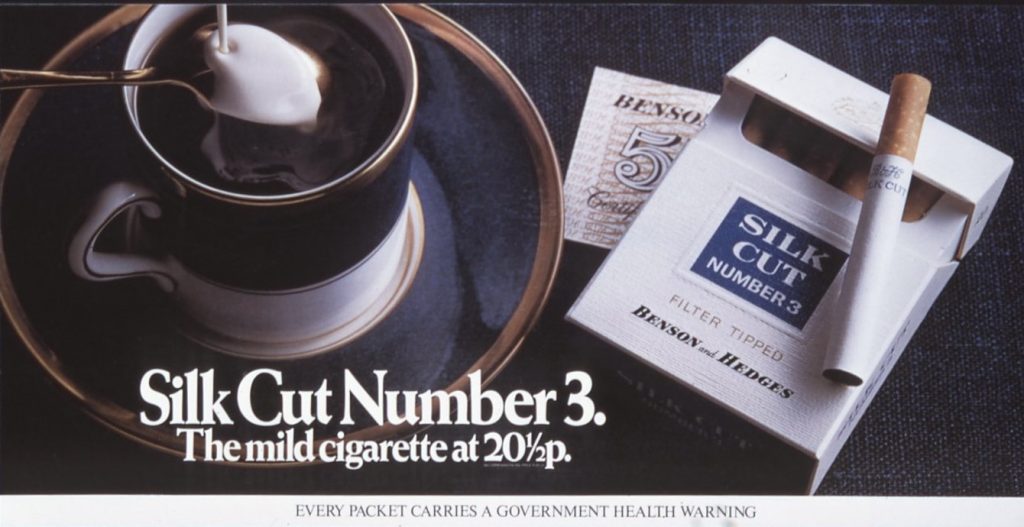
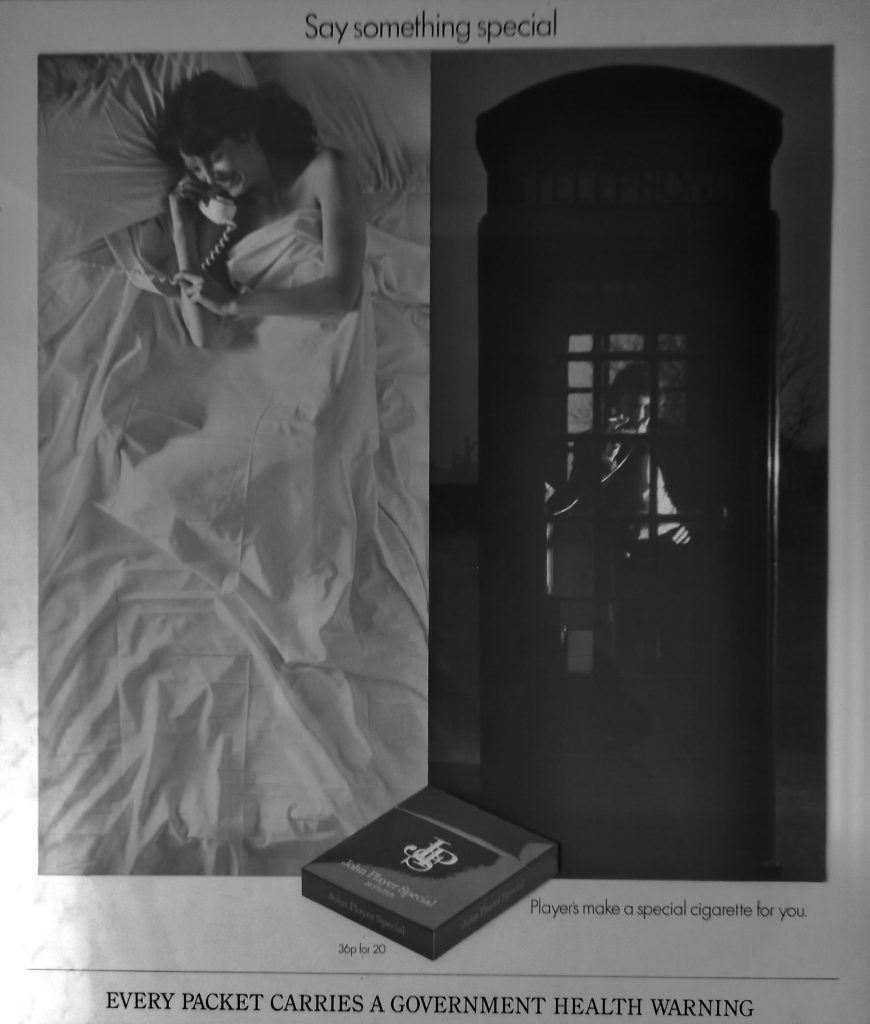
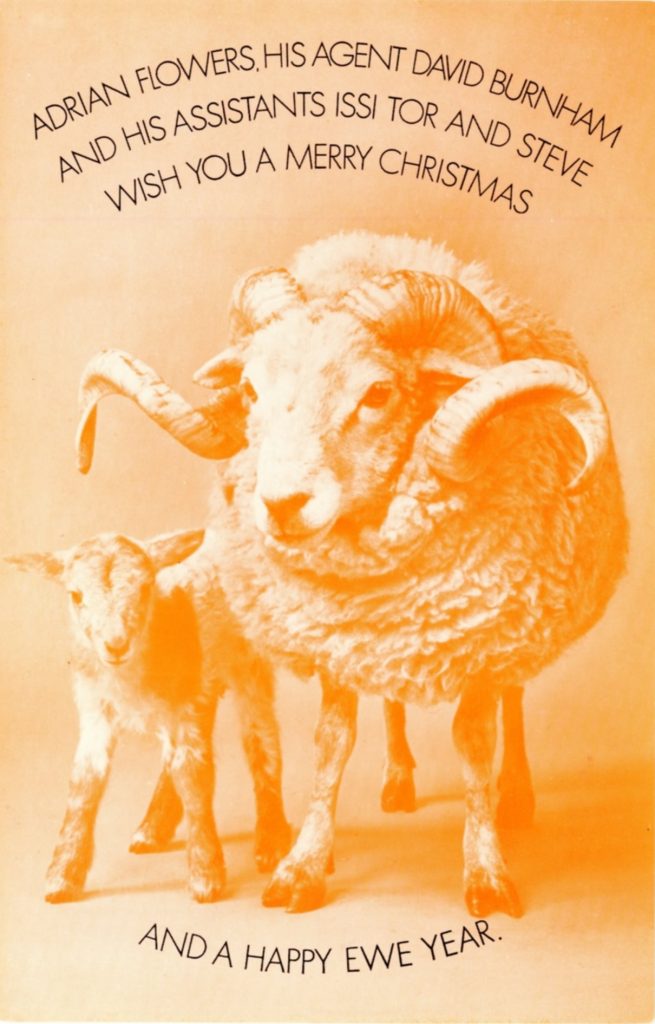
In the time I worked for Adrian, I helped on many campaigns. The most memorable ones were for Silk Cut, John Players Special and the Wool Marketing Board, where he had sheep brought to the studio and photographed on coloured backgrounds. This wasn’t a great success, so Adrian, Steve and I moved down to Dorset and photographed them in a freezing cold barn, but the sheep were happier and we kept warm by drinking large quantities of Whiskey Mac! As it was early spring, the wool was beginning to fall off, so it was my job to sew it back on.

Some of the sheep photographed for the Wool Marketing Board advertisement. June 1974.
Photographs by Adrian Flowers

For the Silk Cut adds, we consumed lots of Irish Coffees before Adrian got the perfect swirl, when poured into the cup.

And then there was John Players Special, for one ad, I was asked by the Art Director to stand in for the model. I was photographed in bed and Sigi was in a phone box, smoking a cigarette.  I remember we took the pic of Sigi in the phone box, early in the morning on the Embankment and then the rest of the day working with the model in the studio. I can’t remember the name of the art director, but when the model left, he asked me to model instead. Steve wasn’t that happy that I had no top on, but we went ahead. I remember I was paid £10.00 for half an hour’s work, which I thought was a fortune. Sadly, it was rejected for the ad, as apparently it was too sexy!!

Also, for JPS, we went to a house down the Kings Road and had to sign a secrecy clause, as hidden away in a garage was the new prototype of the new JPS racing car. All very exciting.

In addition to working on adverts, Adrian worked for the Observer magazine. This was such interesting and unusual work, from portraits of people like Len Deighton and Clive James, as well as spending many weeks driving round the country looking for the different religions and their churches. We went to a Mosque in Woking, a Jewish scribe in Hackney and a Bar Mitzvah in North London. Also, we found a Buddhist temple on the top floor of a house in Ecclestone Square.  

Madame Tussauds article for the Observer, 25.2.75
Photograph by Adrian Flowers

I loved working for Adrian, we were like one big family, and the fact that so many of us kept in touch all our lives, just shows what a special man he was.


Text: Tor Hildard

Editor: Francesca Flowers

All images subject to copyright.

Adrian Flowers Archive ©

Categories
Adrian Flowers Photography Archive Editorial

London Coffee Bar Culture 1954

Dated July 1954, a contact sheet in the Adrian Flowers Archive shows both the interior and exterior of Chiquito, a coffee bar and café on Hanway Street, off Tottenham Court Road. There are several photographs of the café exterior, taken at night, with crowds gathered on the pavement. In one, the rear wing of a parked Alvis reflects the photographer’s lights. Most of the photographs were taken inside the coffee bar and show people sitting at tables. However, one shot, taken from above, shows a crowd gathered around the bar where a young man operates a Victoria Arduno coffee machine. The event was a publicity bash to celebrate the arrival of coffee machines in London and the rise of the coffee bar. Although the Bar Italia, founded in 1949, had an espresso machine, it was not until four years later that the media spotlight shone on London’s coffee bars, when Gina Lollabrigida opened Pino Riservato’s Moka bar at 11 Frith Street. The agent for Gaggia in the UK, Riservato then opened a second bar, Moka-Ris on Dean Street, which had a machine installed by 1953, as did the rapidly proliferating bars such as El Cubano in Knightsbridge, and the “2i’s” on Old Compton Street, where Tommy Steele and other young musicians made their name. 

Cafe Cabana on Princes Street, London

In Adrian’s photographs, on the bar at Chiquito can be seen jugs of hot milk, and small espresso cups and saucers. Unlike other coffee bars that sported Picassoesque ceramics by William Newland, Margaret Hine and Nicholas Vergette, the interior of Chiquito was inexpensively decorated with plants in terracotta pots, brightly patterned fabric and shiplap cladding, while a sign read ‘Café espresso – open till midnight’. 

Interior of the Mocamba coffee bar in Brompton Road

In one photo, Angela, dressed in dark slacks, is seated at the bar and turning to look out onto the street—very much a ‘cool cat’ of 50’s Soho. The photograph is taken from outside the plate glass door, looking in to the brightly-lit interior.

Angela Flowers at Cafe Cabana 1954. Photograph by Adrian Flowers

The coffee bar phenomenon in London and other British cities attracted a huge amount of media attention, “and in August 1954, Picture Post ran a feature “A Red-head in Search of Black Coffee” in which Adrienne Corri, promoting her film Make Me an Offer, visited coffee bars in London, including the Moulin Rouge at 38 Hanway Street. It was during this tour that Adrian photographed Corri and Angela Flowers together, and his photographs were used in the Picture Post article.

Picture Post article 21st August 1954. Photographs by Adrian Flowers

Angela Flowers and Adrienne Corri at Moka-Ris coffee bar (on Dean Street) 1954.
Photograph by Adrian Flowers

The building at 32 Hanway Street, where Chiquito flourished in the 1950’s, has a long history. Developed in 1819 by a painter and glazier named William Watson, in the late nineteenth century it was for several months the home of the Irish-American artist William Harnett, who was born in Clonakilty, Co. Cork, in 1848. In 1879 Harnett, by then a celebrated still-life painter, was in London, living in Hanway Street. In the twentieth century, No 32 became the Dickens Chop House, and around 1955 it was transformed into the Chiquito coffee bar, one of several Mediterranean-styled cafes set up on Hanway Street. In 1957 Chiquito was licensed for ‘two guitar players and no dancing’, and had a ‘skiffle singing room’ in the basement. In 1959 the café featured in Expresso Bongo, the film that first introduced Cliff Richard to a wide audience.

The Moulin Rouge at 38 Hanway Street, London was close to
Chiquitos, which was at 32

Ironically, by the time the film was released, Cafe Chiquito’s heyday as a ‘cool cats’ café was over, and the introduction of a striptease act the following year spelled the end of what had been a teen institution. Hanway Street became synonymous with sleaze, with a resident opposing the renewal of licenses to the cafes, on the grounds of ‘nuisances of various sorts ranging from simple urination to sexual intercourse in the doorways’.

Text: Peter Murray

Editor: Francesca Flowers

All images subject to copyright.

Adrian Flowers Archive ©